NEW 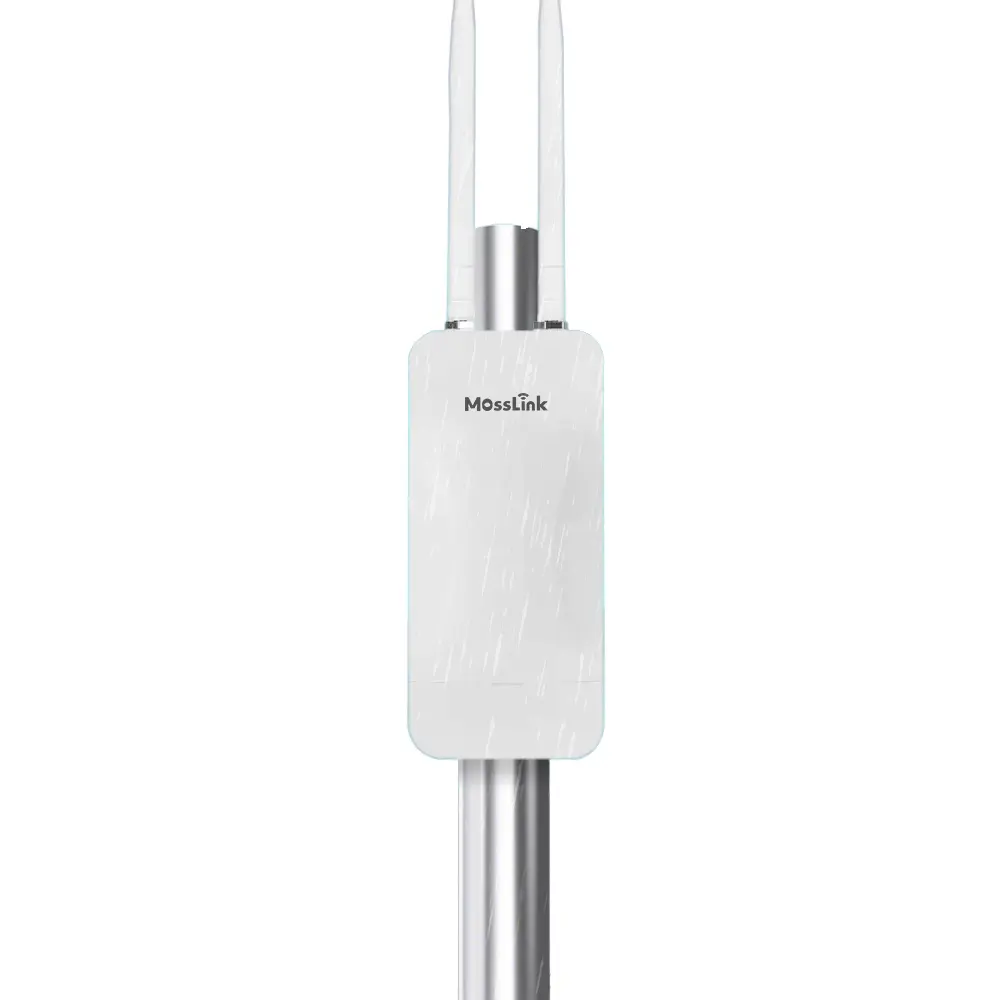
APH4-BE3600 Wi-Fi 7 Outdoor AP, 2.5G Port, IP65, PoE
APH4-BE3600
Wi-Fi 7 (802.11be), 2.4GHz + 5GHz · 3600Mbps (688 + 2882 Mbps)
High-density indoor and outdoor Wi-Fi 6 / Wi-Fi 7 access point deployment for hotels, campuses, offices, and public venues requiring simultaneous high-throughput connections
Site-specific topology · Bill of materials · OEM/ODM options
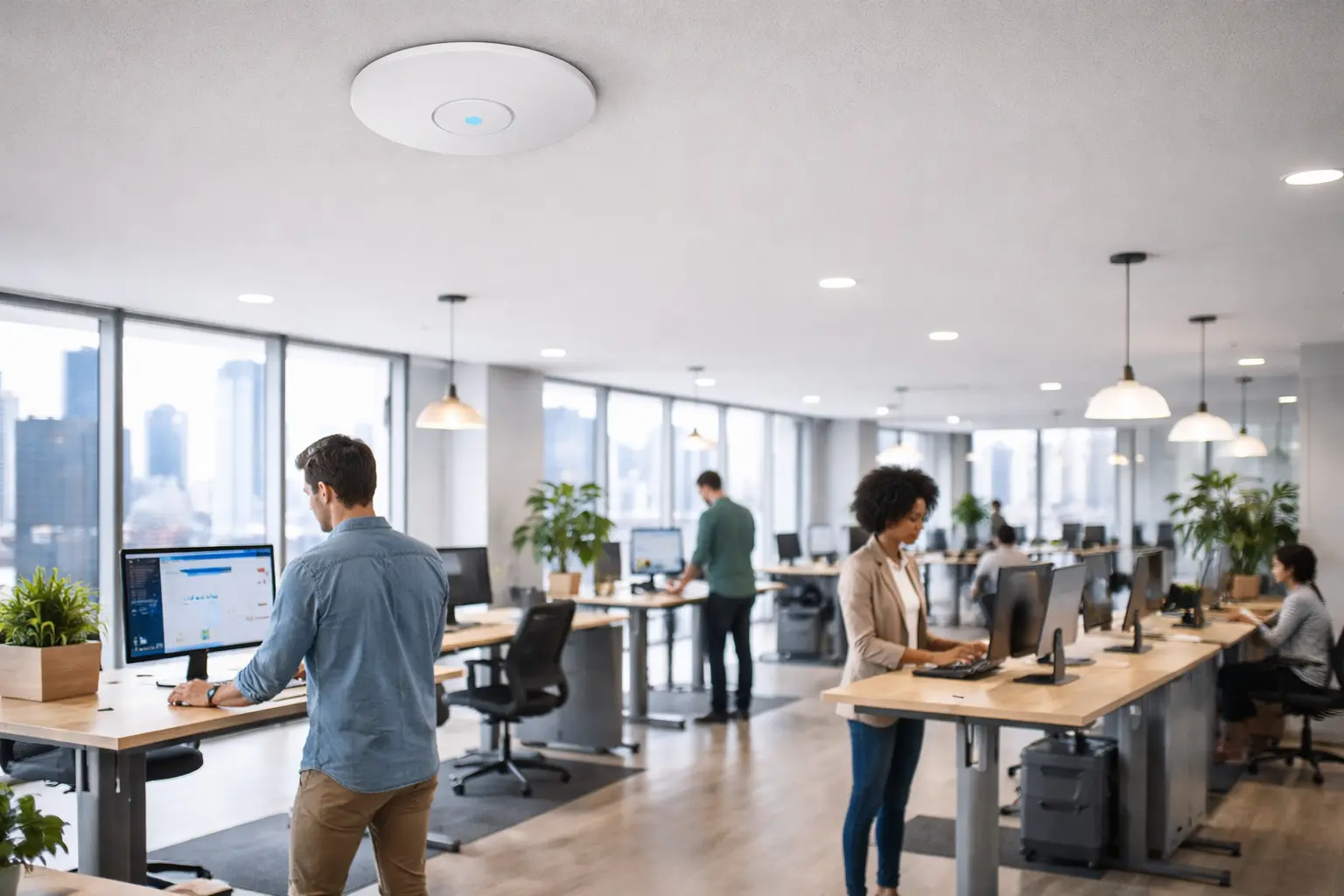
Reference Topology
MossLink designs and manufactures Wi-Fi 6, Wi-Fi 6E, and Wi-Fi 7 access points for brands, distributors, and system integrators that need factory-direct supply with OEM/ODM customization.
| Standard | Use case | Product type | OEM option |
|---|---|---|---|
| Wi-Fi 6 (AX) | Hotels, SMB, campus | Ceiling AP, outdoor AP | Branding, firmware, packaging |
| Wi-Fi 7 (BE) | Density and latency-sensitive sites | Ceiling AP, outdoor AP | Full ODM roadmap available |
| Wi-Fi 6E (AXE) | Clean-spectrum PtP links | Outdoor bridge, not AP | Regional tuning, custom antenna |
One clarification worth making early, because it comes up in most sourcing calls: our 6 GHz hardware today is a bridge (WB6axH6-20), not an access point. If your requirement is a 6 GHz tri-band AP, say so at the first email — that is an ODM conversation with a schedule, not a catalogue pick.
For OEM/ODM program details, see MossLink Access Point ODM services or browse the full access point catalog.
The shift to remote work, online learning, and video-first communication has fundamentally changed wireless network requirements. A conference room that once hosted 10 laptops checking email now has 30 devices streaming video calls, sharing large files, and accessing cloud applications simultaneously. Hospitality venues compete on Wi-Fi quality. Universities measure student satisfaction by network performance.
Older Wi-Fi 5 (802.11ac) networks were designed for sequential, per-device transmission. When many clients connect at once, they compete for airtime, resulting in queuing delays, high latency, and throughput that falls far below rated speeds. The solution is not more access points — it is Wi-Fi 6 and Wi-Fi 7 hardware with OFDMA scheduling that can serve many clients simultaneously.
For buyers sourcing Wi-Fi 6 and Wi-Fi 7 hardware, the challenge is finding a manufacturer that supplies current-generation equipment with proper international certification at competitive pricing — not rebranded older chipsets with Wi-Fi 6 marketing labels.
MossLink’s Wi-Fi 6 and Wi-Fi 7 AP lineup is organized by deployment scenario:
Entry Ceiling — Hotels and SME: The XD3001K covers hotel floors, small office areas and classrooms. Dual-band Wi-Fi 6 AX3000 (573 + 2402 Mbps) on a MediaTek MT7981BA platform, 128 concurrent clients, a single gigabit 802.3af/at PoE uplink, and a low-profile housing that sits flush in a drop-tile ceiling. It runs FAT or FIT, standalone from its own web GUI, with cloud and AC management through a ZW500 gateway.
High-Density Outdoor — Campuses and Venues: The APH6-AX5400 is the density model — AX5400 (574 + 4804 Mbps) dual-band, 192 concurrent clients, detachable N-type antennas, a gigabit SFP uplink for fiber, IP67, and a −40 °C to +70 °C range. The wider 5 GHz channel and higher client ceiling are what separate it from AX3000, not a third radio.
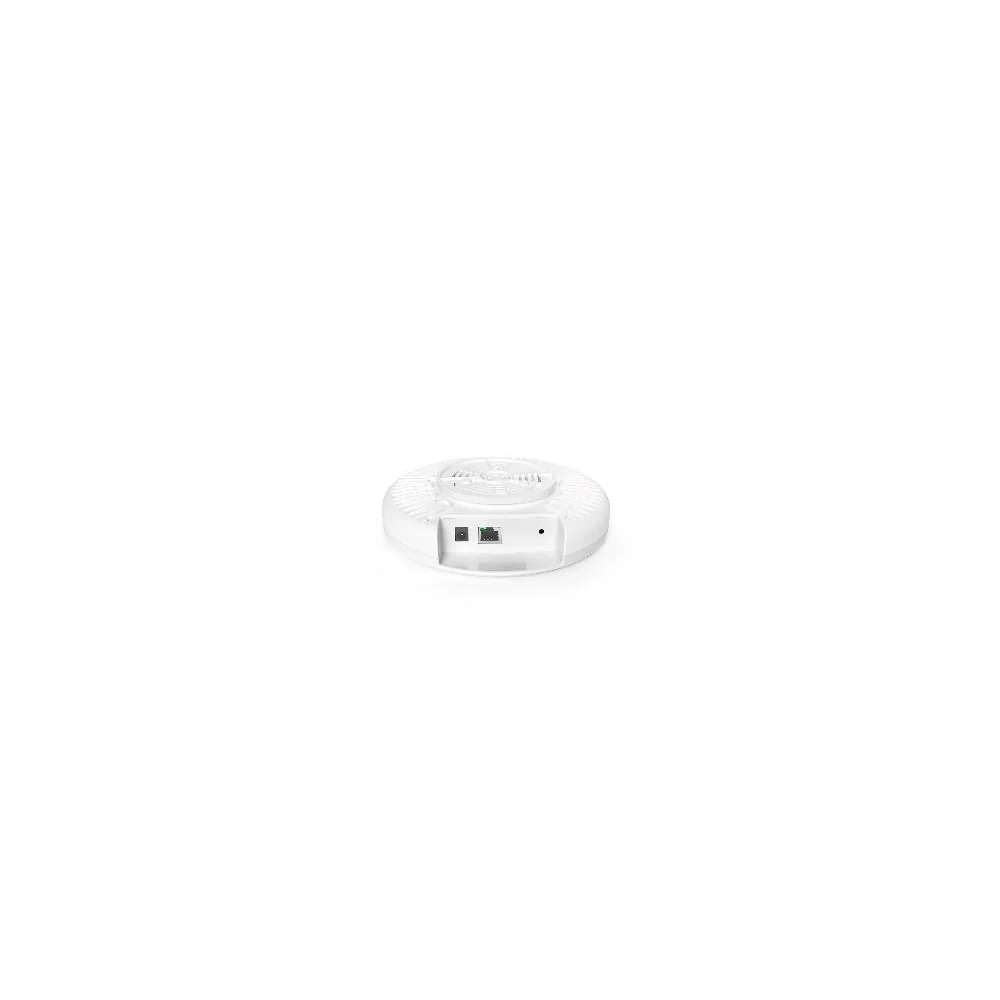
Wi-Fi 7 — Latency-Sensitive and Future-Proofing: The APH4-BE3600 brings 802.11be to an IP65 outdoor housing: 688 + 2882 Mbps across 2.4 and 5 GHz, 128 concurrent clients, and a 2.5 Gbps PoE WAN port so the uplink does not cap the radio. Wi-Fi 7’s Multi-Link Operation and 4096-QAM lower per-client latency; note that this model is dual-band, so MLO operates across 2.4 and 5 GHz rather than including 6 GHz.
Outdoor Wi-Fi 6 Coverage: For courtyards, perimeters and parking, the APM6-AX3000 and APH6-AX3000 carry the same Wi-Fi 6 feature set in IP67 housings. The full range and how to choose between enclosures is on our outdoor access point solution page.
| Wi-Fi 5 (AC1200) | Wi-Fi 6 AX3000 | Wi-Fi 6 AX5400 | Wi-Fi 7 BE3600 | |
|---|---|---|---|---|
| Typical clients | ~64 per band | 128 | 192 | 128 |
| Uplink port | 100 M or 1 G | 1 G | 1 G + SFP | 2.5 G |
| Best for | Light traffic, high unit count | The default choice | Lecture halls, venues | Latency-sensitive, new builds |
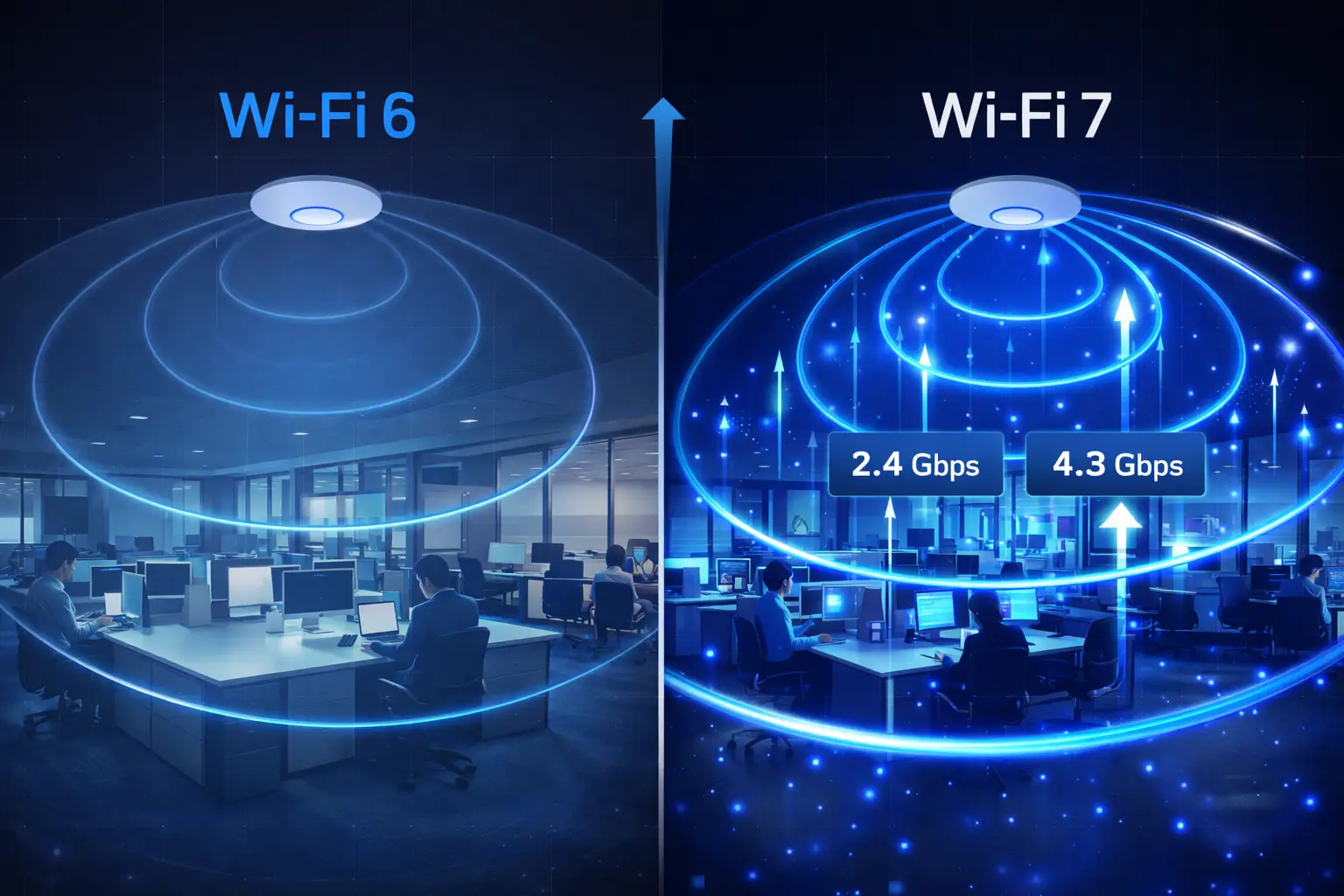
The honest guidance: for most hotel, office and campus projects Wi-Fi 6 AX3000 is the right answer, and the money is better spent on more APs and better cabling than on a higher generation at fewer points. Move to AX5400 when concurrent client count — not headline speed — is the binding constraint. Choose Wi-Fi 7 when you are specifying hardware that has to stay current for five or more years, or when the uplink is already 2.5 G. Our Wi-Fi 6 vs Wi-Fi 7 comparison for enterprise works through the trade-off with numbers.
All MossLink Wi-Fi 6 and Wi-Fi 7 APs ship with:
Venues deploying MossLink Wi-Fi 6 APs report measurable improvement in per-device throughput in dense environments compared to prior Wi-Fi 5 infrastructure — particularly for video calls, large file transfers, and simultaneous device onboarding. The elimination of per-device airtime contention reduces latency spikes that cause audio and video drops in conferencing applications.
MossLink supplies Wi-Fi 6 and Wi-Fi 7 access points factory-direct from Shenzhen with OEM customization options for brands and distributors. Full CE/FCC documentation is provided with each shipment. Contact us for volume pricing and OEM program details.
APH4-BE3600
Wi-Fi 7 (802.11be), 2.4GHz + 5GHz · 3600Mbps (688 + 2882 Mbps)
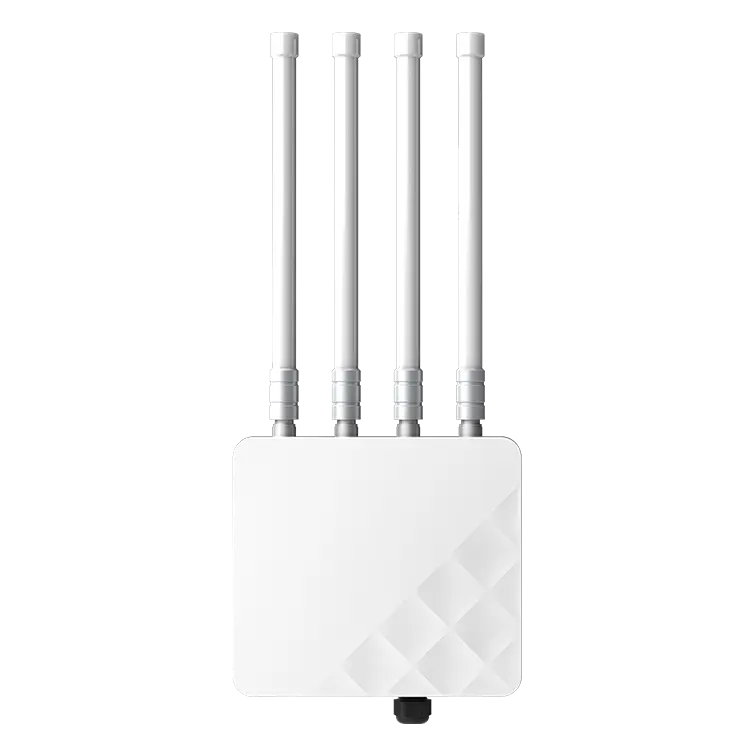
APH6-AX5400
Wi-Fi 6 (802.11ax) · Dual-Band (2.4GHz + 5GHz) · AX5400 (574 + 4804 Mbps) · 802.3at (48V)
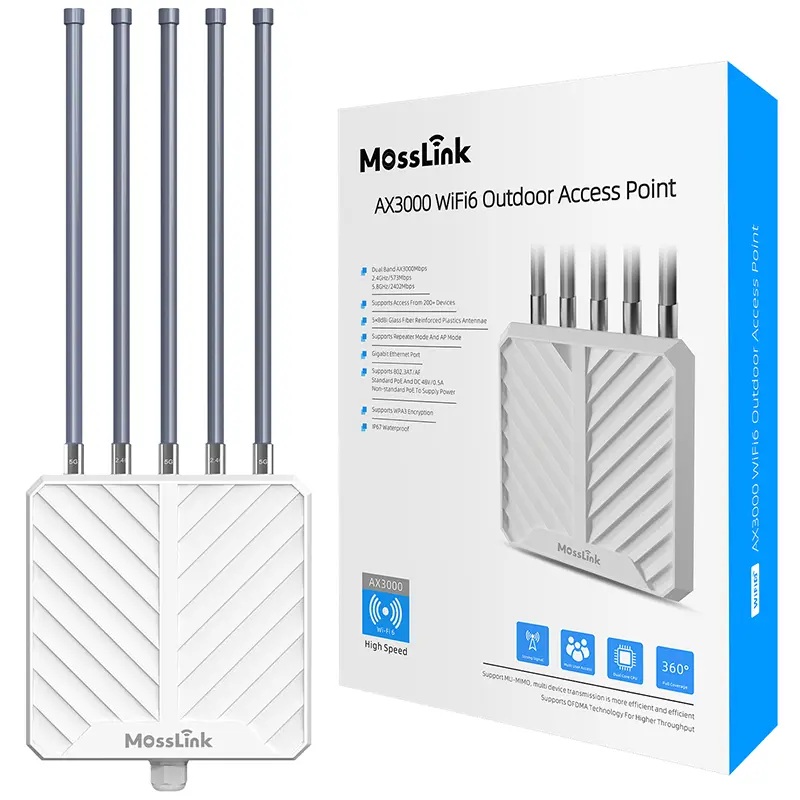
APH6-AX3000
Wi-Fi 6 (802.11ax) · Dual-Band (2.4GHz + 5GHz) · AX3000 (574 + 2402 Mbps) · 802.3at (48V)
XD3001K
Wi-Fi 6 (802.11ax) · Dual-Band (2.4GHz + 5GHz) · AX3000 (573 + 2402 Mbps)
In-depth guides and case studies relevant to this deployment.
Sourcing Wi-Fi 7 APs? Many suppliers quote from renders. Six checks to verify real production — chipset platform, MOQ from 100 units, white-label limits.
Read Article →
Your neighbours' routers are sitting on the same channels as yours, through concrete that scatters every signal. Here's the channel plan, AP placement, and band strategy that stops apartment WiFi interference — with the exact channels to use.
Read Article →

Forty units, forty consumer routers, constant interference. How property owners cover a whole apartment building from one managed WiFi network.
Read Article →
Practical answers for planning a deployment like this one.
Let our team design a customized wi-fi 6 & wi-fi 7 networking solution for your project. Get expert guidance and factory-direct pricing.