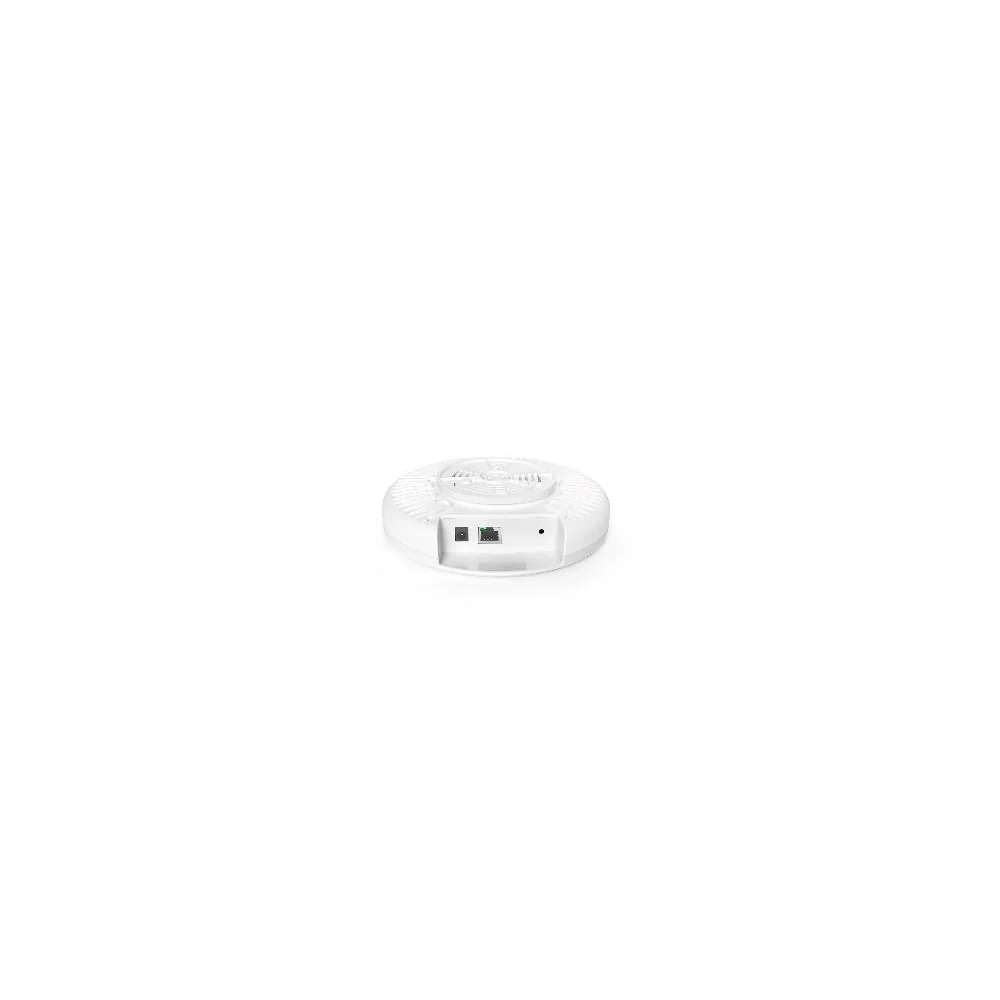
XD3001K Wi-Fi 6 AX3000 Dual-Band Ceiling Access Point
XD3001K
Wi-Fi 6 (802.11ax) · Dual-Band (2.4GHz + 5GHz) · AX3000 (573 + 2402 Mbps)
Managed wifi for apartments, student housing, and residential towers — ISP-grade per-unit connectivity with VLAN isolation, bandwidth shaping, and centralized management across 20 to 500+ unit multi dwelling unit buildings.
Site-specific topology · Bill of materials · OEM/ODM options
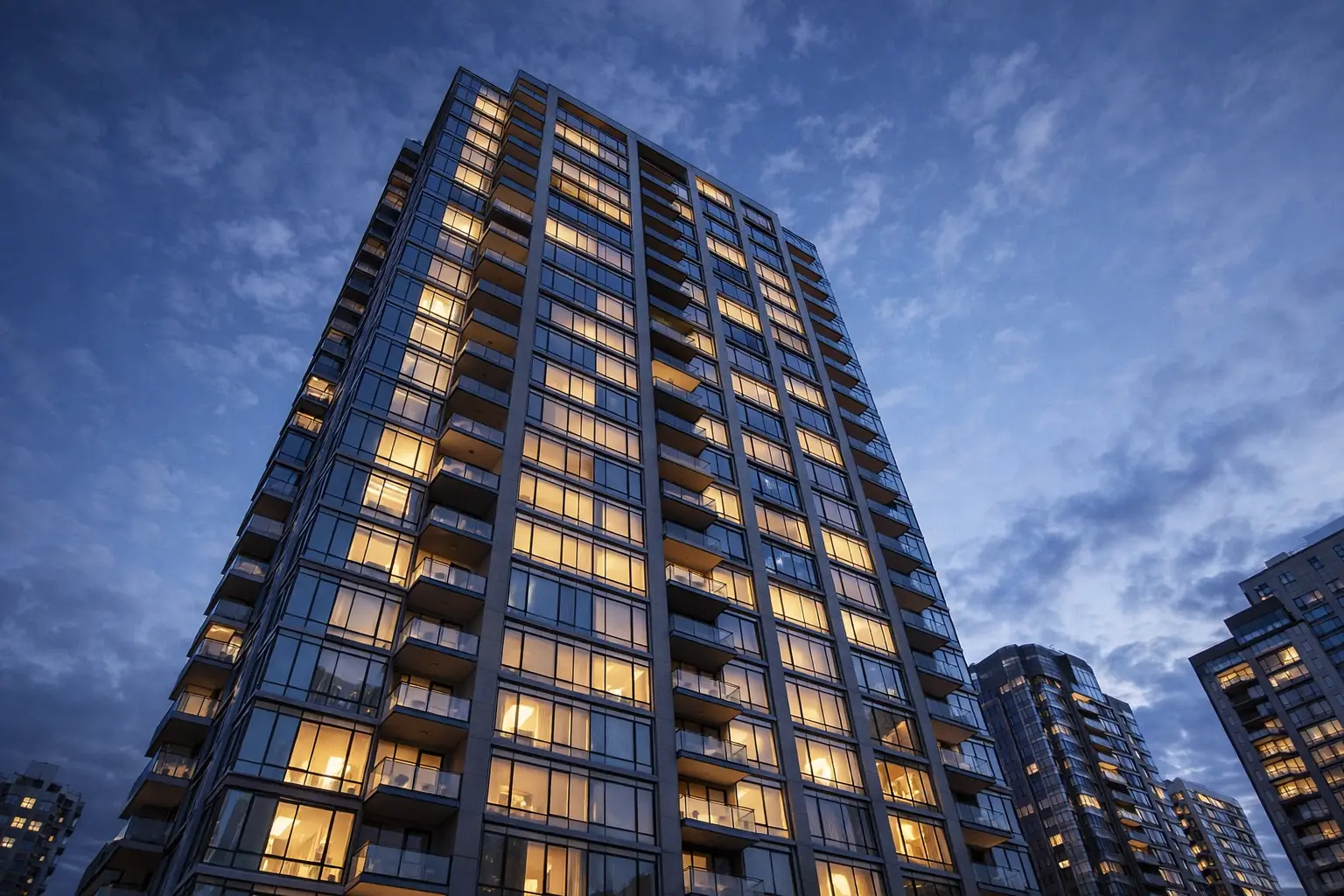
Reference Topology
Multi dwelling unit buildings — apartment complexes, serviced apartments, student housing, and residential towers — represent a significant opportunity for ISPs and property technology companies. Rather than running a separate ISP connection to each unit, managed internet for buildings delivers service to every floor and room from a single upstream connection, with per-unit billing managed centrally.
The challenge is delivering the same privacy, reliability, and performance that tenants expect from individual home internet service — over shared infrastructure. Each tenant must see only their own traffic. Bandwidth must be enforced fairly. A noisy neighbor streaming 4K video should not degrade service for the unit next door. And when tenants move in or out, service activation must be instantaneous and remote — no technician visits, no physical cable changes.
Property managers and ISPs without purpose-built MDU wifi infrastructure often attempt this with consumer Wi-Fi routers in each unit — a solution that creates management nightmares, inconsistent coverage, and interference from overlapping SSIDs across floors.
MossLink’s MDU network architecture places the intelligence at the building edge rather than inside each unit:
Corridor Access Points: The AX3000 Ceiling AP mounts in hallway ceilings on each floor, typically one AP per 4–6 units. Its Wi-Fi 6 OFDMA radio serves all units on the floor simultaneously without the throughput degradation of older Wi-Fi 5 equipment. In-hallway mounting means no wiring inside individual units — the corridor AP signal penetrates through the wall to each adjacent apartment.
Building Gateway Router: The WR3011GP serves as the building-edge gateway, managing VLAN assignment, per-unit bandwidth shaping, captive portal authentication, and upstream connection to the ISP’s network. Its hotspot engine handles tenant authentication via voucher, RADIUS, or web-based login — whatever the ISP’s billing system uses. A single WR3011GP typically serves a 50–100 unit building.
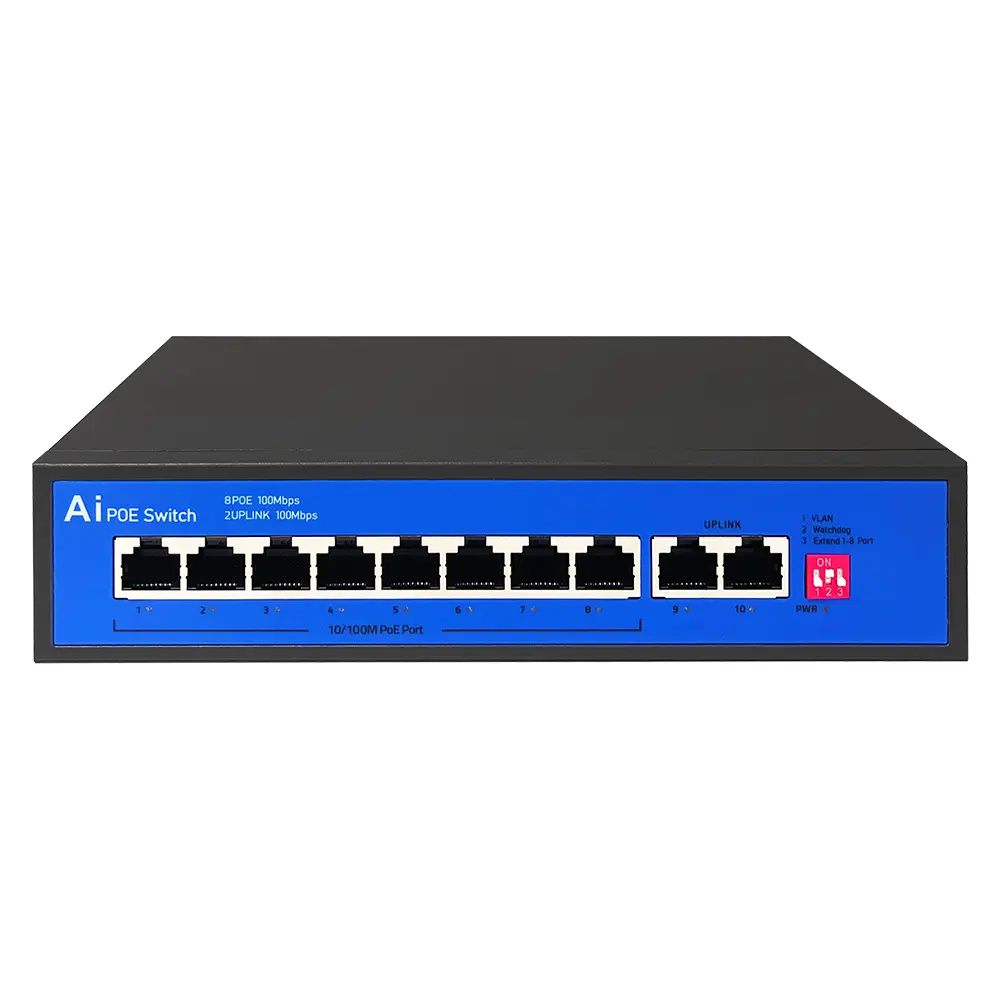
Floor Distribution: A gigabit PoE switch in each floor IDF aggregates the corridor APs onto a single uplink to the building core. The S821G covers a floor with 8 PoE ports and a 120 W budget; for a riser serving several floors, the rack-mount S1621G offers 16 ports at 300 W. Both add two gigabit uplinks plus a 1000 M SFP port, so the run to the core can be fiber. PoE output powers every AP on the floor over the existing Cat6 — no separate power runs needed.
Unit Coverage: Indoors, the XD3001K ceiling AP handles a corridor or a unit at Wi-Fi 6 AX3000 with 128 concurrent clients on one PoE uplink. Outdoors — courtyards, walkways, parking — the IP67 APM6-AX3000 covers what indoor units cannot survive.
Entry-Level Alternative: For smaller residential buildings or budget deployments, the MossLink 6 dual-band router functions as a combined gateway and AP for buildings up to 20 units, simplifying the infrastructure at reduced cost.
The VLAN architecture enables precise per-unit service:
ISPs and property managers deploying MossLink MDU infrastructure report faster tenant onboarding, elimination of per-unit router provisioning visits, and significant installation cost savings from PoE-powered corridor APs without in-unit wiring. The centralized management platform enables a single technician to manage dozens of buildings across a city from one dashboard.
Managed wifi for apartment buildings pays for itself when the cost per unit stays below the monthly revenue per subscriber. Here are typical hardware costs for a managed internet deployment:
| Component | Cost per unit | Notes |
|---|---|---|
| Corridor ceiling AP (shared) | $15-25 | 1 AP per 4-6 units, Wi-Fi 6 |
| PoE switch port | $6-10 | Floor-level PoE switch, shared |
| Gateway router (shared) | $1-3 | 1 per 50-100 units, amortized |
| Cat 6 cabling per AP | $8-15 | Corridor run to floor IDF |
| Total hardware per unit | $30-53 | Hallway deployment |
At $15-30/month per subscriber, the hardware investment pays back within 2-4 months. Ongoing costs are minimal — managed wifi for apartments requires no per-unit maintenance, and tenant turnover is handled via software activation.
For ISPs deploying across multiple apartment buildings, MossLink supplies MDU networking equipment factory-direct with OEM customization — custom firmware, branded captive portal, and private-label packaging. Contact us for volume pricing, OEM program details, and technical consultation.
XD3001K
Wi-Fi 6 (802.11ax) · Dual-Band (2.4GHz + 5GHz) · AX3000 (573 + 2402 Mbps)
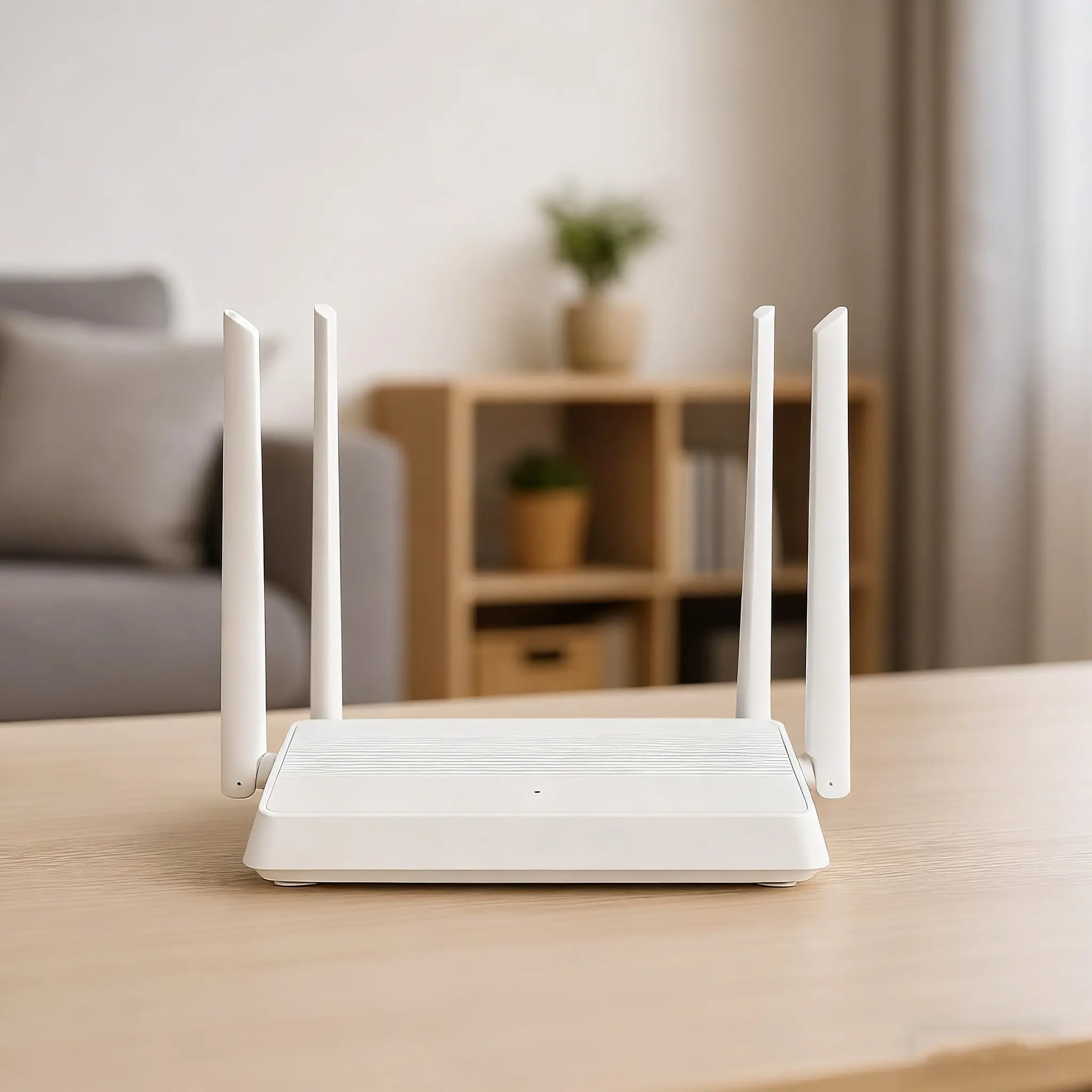
WR3011GP
Wi-Fi 6 (802.11ax) · AX3000 (574 + 2474 Mbps = 3047Mbps)
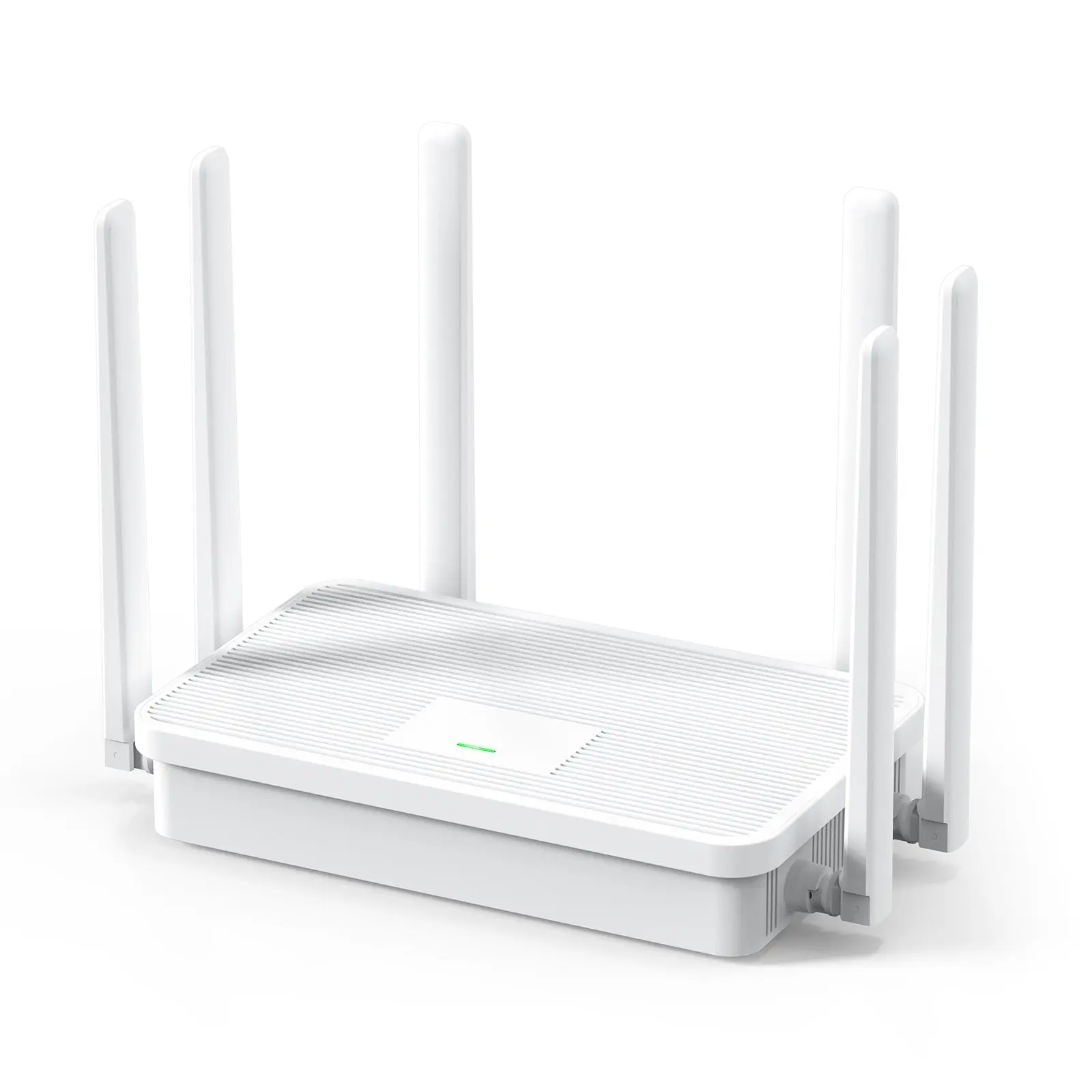
WR3000K
Wi-Fi 6 (802.11ax) · AX3000 (574 + 2402 Mbps)
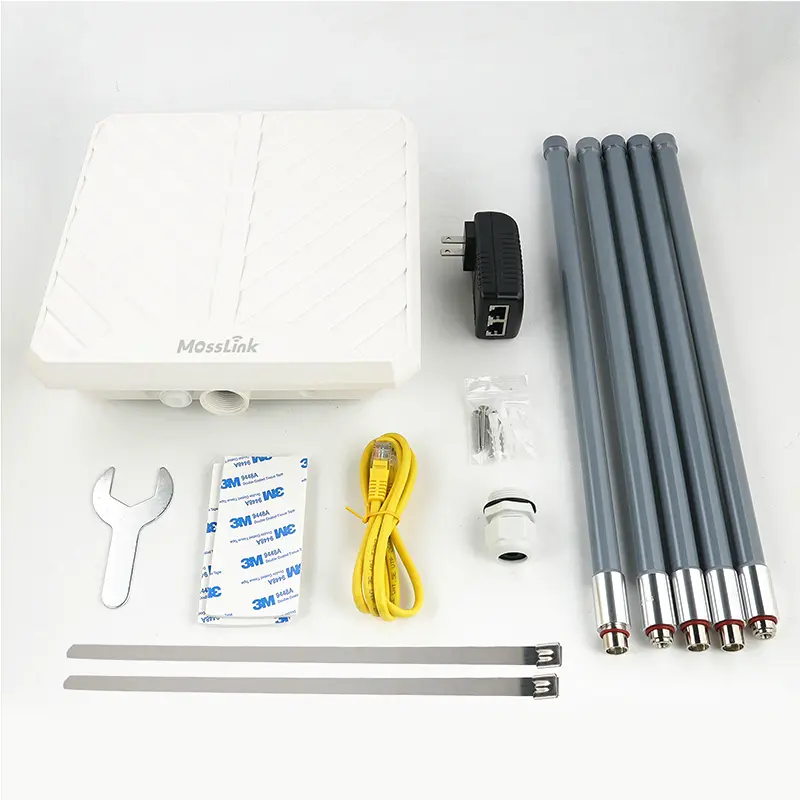
APM6-AX1800
Wi-Fi 6 (802.11ax) · Dual-Band (2.4GHz + 5GHz) · AX1800 (574 + 1201 Mbps) · 802.3AF/AT Active + Passive PoE
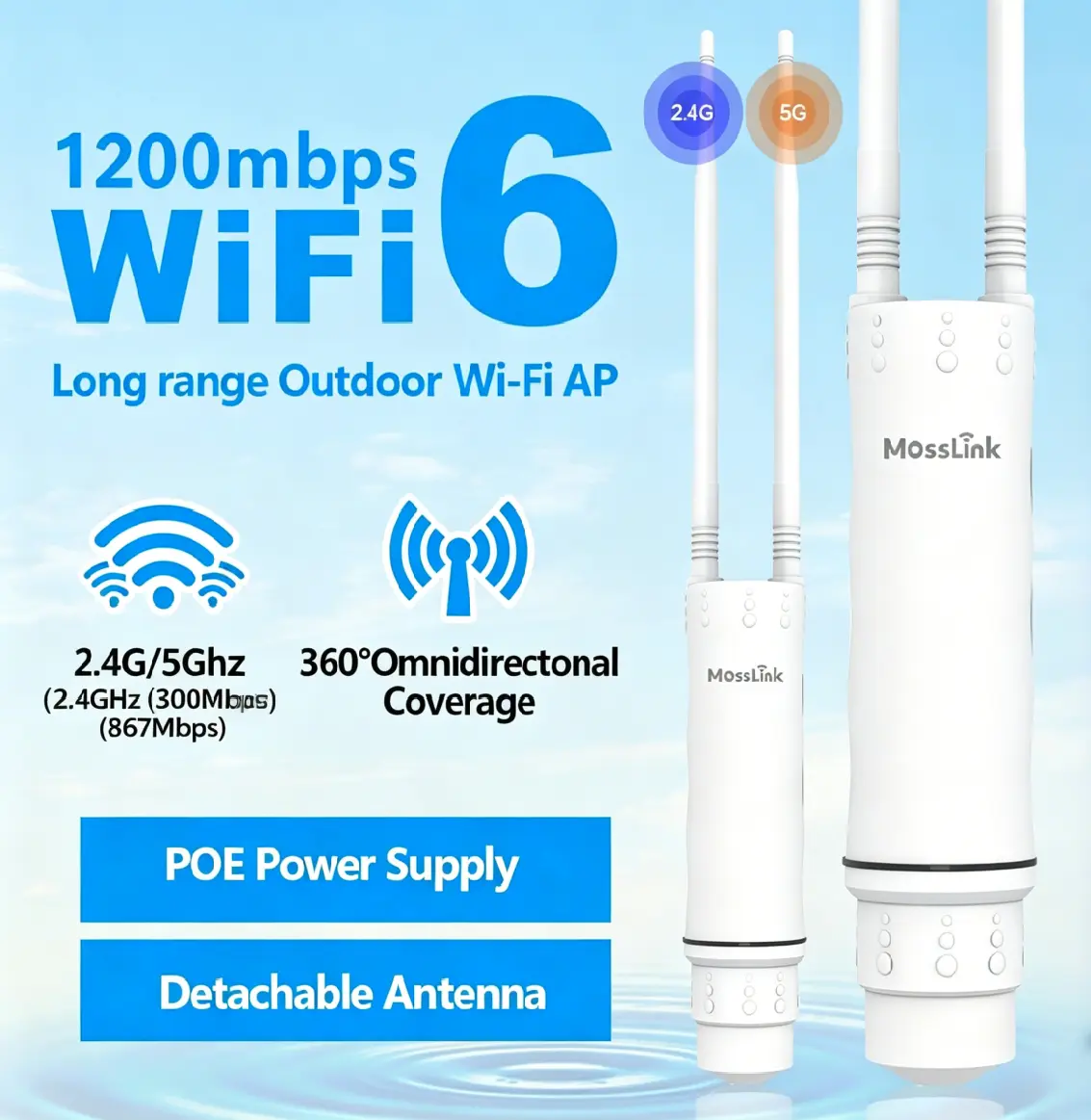
APM2-AC1200
Wi-Fi 5 (802.11ac/a/n + 802.11b/g/n) · Dual-Band (2.4GHz + 5GHz) · AC1200 (300 + 867 Mbps) · 802.3AF/AT Active + Passive PoE
In-depth guides and case studies relevant to this deployment.
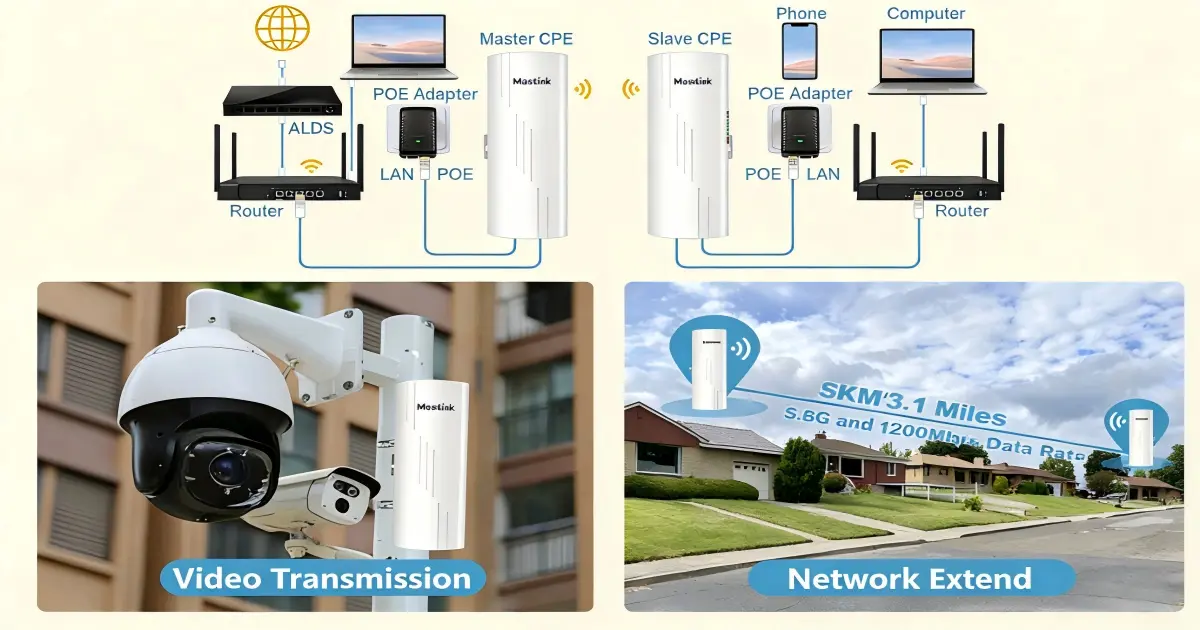
One PoE switch powers your bridge, cameras, and APs — or nothing boots. Match passive 24V vs 802.3af/at, size the watts, and spec a kit that works.
Read Article →

Forty units, forty consumer routers, constant interference. How property owners cover a whole apartment building from one managed WiFi network.
Read Article →
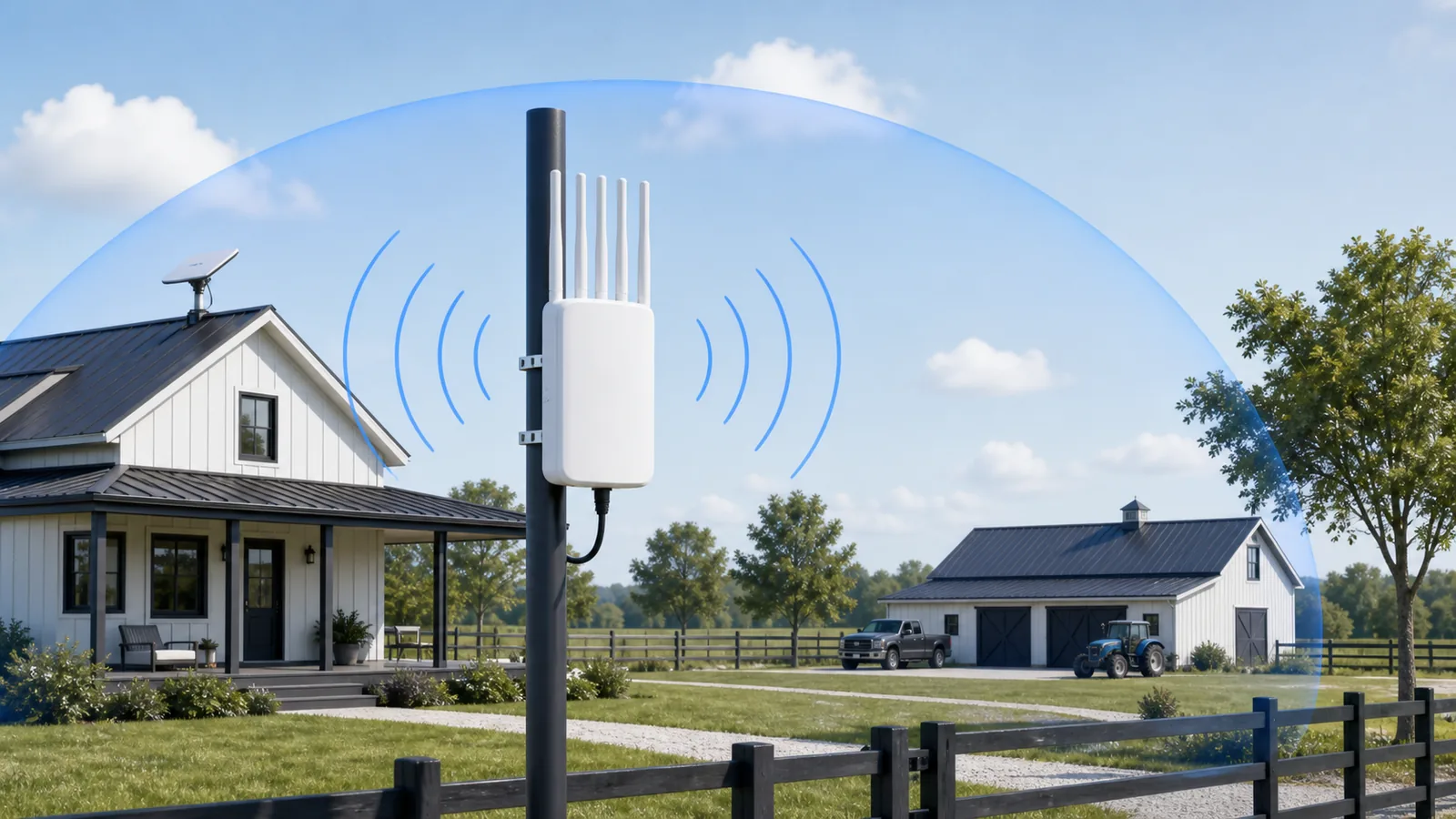
Starlink's stock router barely reaches past the dish. One outdoor Wi-Fi 6 AP turns it into 300–500 m of yard, farm, or compound coverage. Here's the fix.
Read Article →
Practical answers for planning a deployment like this one.
Let our team design a customized multi-dwelling units networking solution for your project. Get expert guidance and factory-direct pricing.