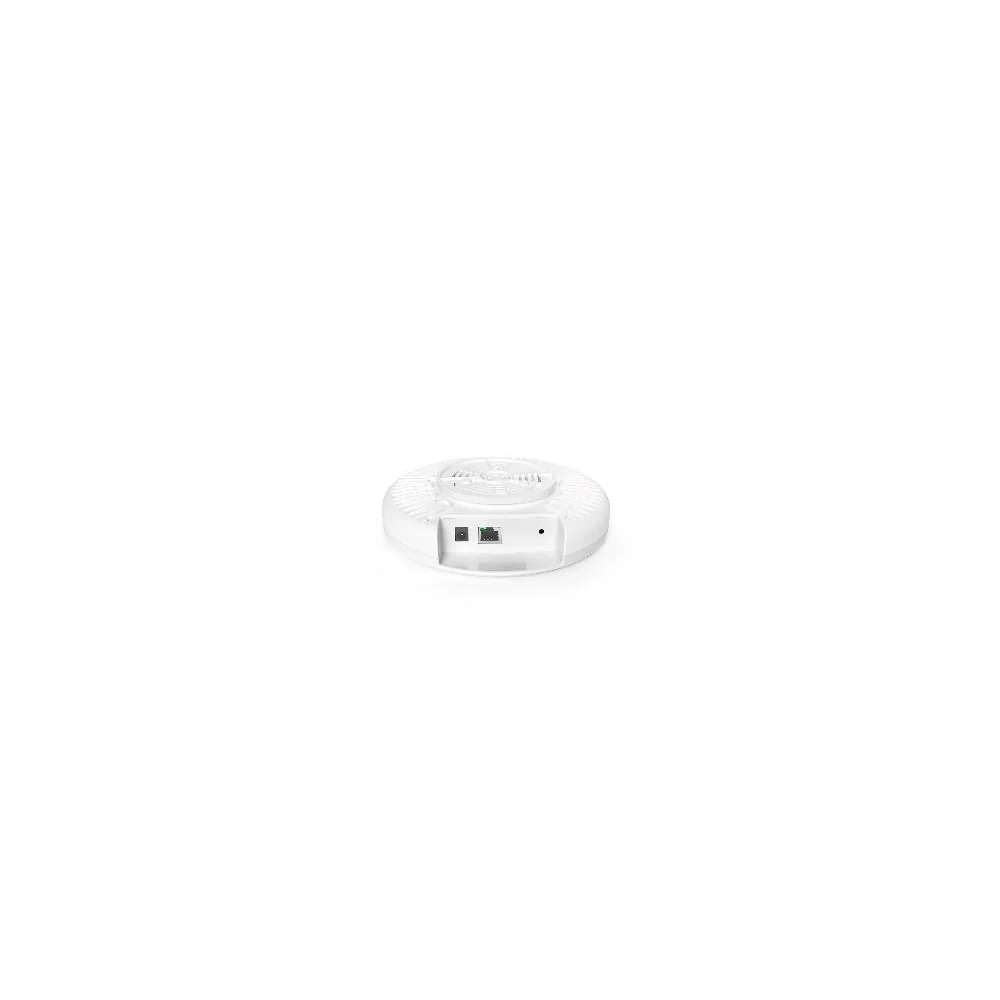
XD3001K Wi-Fi 6 AX3000 Dual-Band Ceiling Access Point
XD3001K
Wi-Fi 6 (802.11ax) · Dual-Band (2.4GHz + 5GHz) · AX3000 (573 + 2402 Mbps)
Property-wide hotel wireless network with branded captive portal, VLAN segmentation, and centralized cloud management across guest rooms, lobbies, conference halls, restaurants, and pool areas — designed for 50 to 500+ room properties.
Site-specific topology · Bill of materials · OEM/ODM options
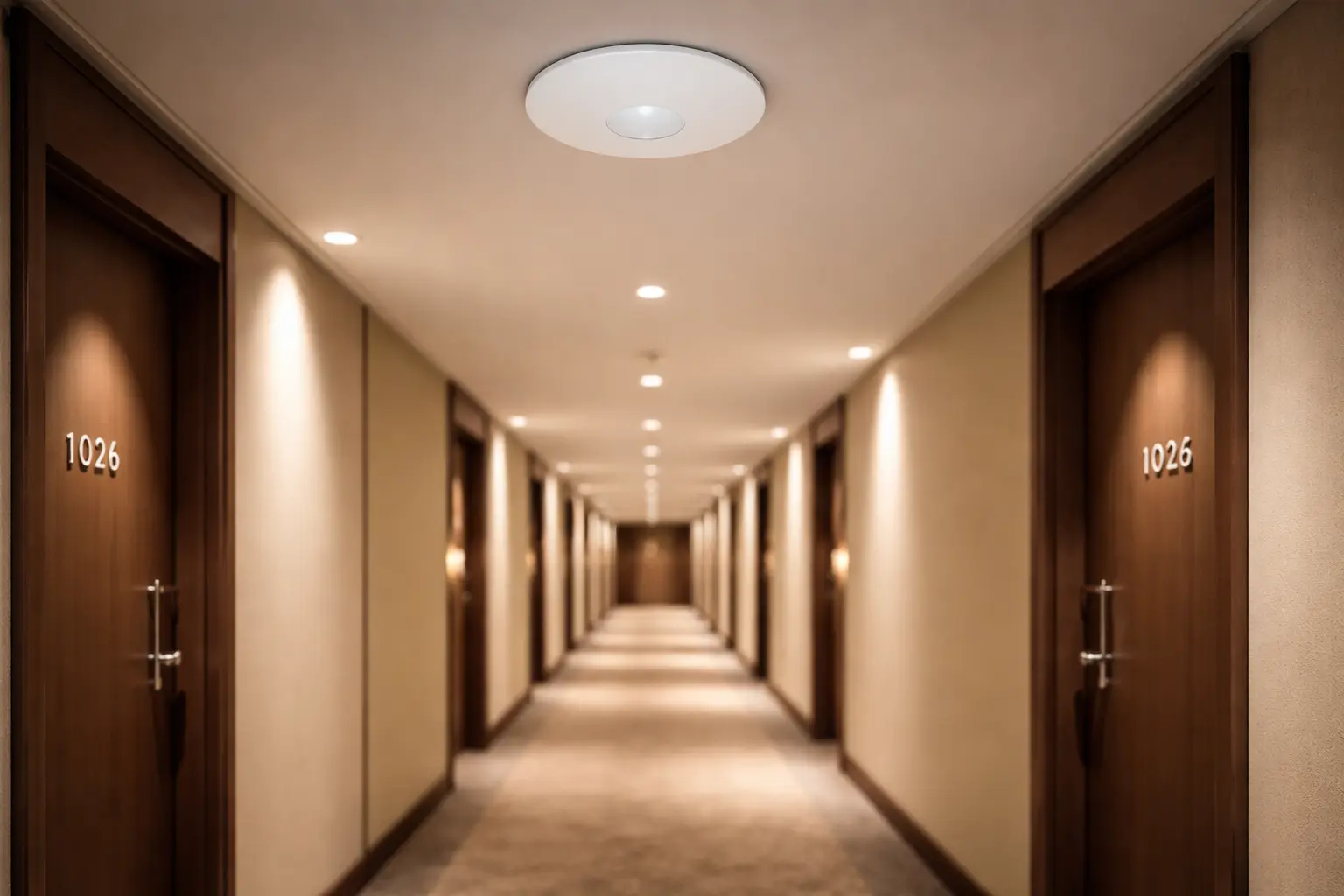
Reference Topology
MossLink hotel Wi-Fi systems combine ceiling access points and outdoor APs purpose-built for hospitality deployments, covering guest corridors, lobbies, outdoor pool areas, and back-office networks.
| Hotel area | Recommended AP type | Suggested product |
|---|---|---|
| Guest room corridor | Ceiling AP (hallway-mount) | XD3001K |
| Lobby / high-density | Wi-Fi 6 ceiling AP | APH6-AX3000 |
| Outdoor pool / garden | IP65 outdoor AP | APM6-AX3000 |
| Back office / IDF | Router + managed switch | WR3011GP + S802E |
For OEM/ODM hotel AP projects, see MossLink Access Point ODM services or browse all access points.
Modern hotel guests expect seamless, fast Wi-Fi throughout the property. A single dead spot in a guest room or a slow connection in the lobby triggers negative reviews — and review scores directly impact booking revenue. Property IT teams simultaneously need secure, segmented networks for POS systems, CCTV, staff devices, and IoT (smart locks, thermostats, energy management).
Consumer-grade routers can’t handle multi-floor density, range, or VLAN segmentation requirements. Enterprise solutions deliver, but with costs and complexity that crush margins for small to mid-sized properties.
MossLink designs hotel Wi-Fi networks in three layers:
Guest room coverage — XD3001K Wi-Fi 6 ceiling APs are deployed in hallways, with each unit covering 2-4 rooms depending on wall construction. XD3001K handles 128 concurrent clients, more than enough for any single hallway zone. For premium suites and luxury properties, in-room AP placement guarantees dedicated bandwidth.
Public spaces and outdoor areas — APH4-BE3600 Wi-Fi 7 outdoor APs with IP65 rating cover pool decks, gardens, terraces, and parking lots. Their 2.5 GbE port handles future-proof throughput for outdoor 4K event streams. For high-density indoor venues like conference halls, the same AP works ceiling-mounted with omni-directional antennas.
Network backbone — S802E 8-port PoE switches power 8 ceiling APs each with a 96W PoE budget. For larger properties, scale to 16/24-port managed PoE switches per floor IDF. A WR3011GP Wi-Fi 6 router handles WAN aggregation, VPN tunnels, and dual-WAN failover at smaller properties; chain controllers handle larger deployments.
A standard hotel deployment splits traffic into 5 isolated VLANs:
Each MossLink AP supports up to 16 SSIDs with 802.1Q tagging — typically 3-4 SSIDs per AP cover all guest, staff, and event tier needs.
The branded captive portal is the hotel’s first digital touchpoint with guests. MossLink APs run in transparent bridge mode, integrating with:
Common configurations include:
A hotel Wi-Fi management system is only as reliable as its management layer. MossLink APs support cloud-based and on-premises management through:
For chain properties and ISPs managing 20+ sites, TR-069 provisioning eliminates per-site engineering visits — configuration templates push from the ACS and apply on first boot.
Good hotel Wi-Fi design starts with right-sizing AP placement to the building, not the room count. Concrete and brick walls attenuate signal far more than drywall partitions. For a full engineering walkthrough of AP density, VLAN design, and PoE budget planning, see our hotel Wi-Fi design guide.
| Area Type | AP Spacing | Coverage Per AP |
|---|---|---|
| Hallway (drywall) | 1 per 18-22 m | 2-4 rooms each side |
| Hallway (concrete / brick) | 1 per 12-15 m | 1-2 rooms each side |
| In-room (luxury suite) | 1 per room | Dedicated bandwidth |
| Conference hall | 1 per 50-80 attendees | Ceiling-mount, line-of-sight |
| Pool / outdoor | IP65/67 outdoor AP, 3-4 m mount | 30-50 m radius |
Power budget planning — A 24-port PoE switch with 370W budget powers 24 ceiling APs (12-15W each, 802.3af) or 16 high-power APs (20-25W each, 802.3at). Plan switch placement in each floor’s IDF closet to keep cable runs under 90 m (Cat 6).
Channel planning — In dense deployments (50+ APs), enable cloud-managed channel auto-assignment based on real-time RF scans. Manual tuning is recommended only for properties with strict RF constraints.
For a step-by-step walkthrough of AP density math, VLAN design, and PoE budgeting with worked examples, see the hotel Wi-Fi system design guide.
Not every hotel zone needs the same access point. Choosing the right hospitality wifi access point for each area keeps hardware costs down while meeting guest expectations.
Guest corridors — The workhorse hotel access point handles 70% of the AP count. Prioritize: dual-band Wi-Fi 6, slim ceiling-mount form factor, 802.3af PoE (15W), LED disable option (guests sleep), and 128-client capacity. The XD3001K fits this role — $80-120 per unit factory-direct.
Lobbies and conference halls — High-density zones where 200+ devices connect simultaneously. Choose an access point with Wi-Fi 7 (802.11be) for wider channels, a 2.5G PoE uplink so the wired side does not bottleneck, and MU-MIMO for parallel streams. The APH4-BE3600 handles 500+ concurrent clients at event load.
Pool, garden, and parking — Outdoor hotel access points must be IP65/IP67 rated, UV-resistant, and operate at -30 to +55 degrees Celsius. Mount height of 3-4 meters gives 30-50 meter coverage radius. Indoor ceiling APs will fail within one monsoon season outdoors.
Back-of-house — Staff offices, housekeeping stations, and loading docks. A cost-effective Wi-Fi 6 access point at $40-60 per unit covers these areas. Signal quality matters less; coverage matters more.
Selection checklist for hotel access points:
Hotel Wi-Fi hardware cost varies by deployment strategy and property class. These are factory-direct hardware costs only — cabling, installation labor, and network design are additional.
Budget per room (hallway deployment — most properties):
| Component | Cost per room | Notes |
|---|---|---|
| Ceiling AP (shared) | $25-40 | 1 AP per 3-4 rooms, Wi-Fi 6 |
| PoE switch port | $8-12 | 96W switch shared across 6-8 APs |
| Cat 6 cabling | $10-15 | Per AP drop, varies by labor market |
| Gateway router (shared) | $2-5 | 1 per property, amortized |
| Total per room | $45-72 | Mid-tier property, drywall |
Budget per room (in-room deployment — luxury properties):
| Component | Cost per room | Notes |
|---|---|---|
| In-room AP | $80-120 | Dedicated Wi-Fi 6 or Wi-Fi 7 AP |
| PoE switch port | $8-12 | Dedicated port per room |
| Cat 6 cabling | $15-25 | Longer runs to each room |
| Gateway router (shared) | $2-5 | Shared across property |
| Total per room | $105-162 | Premium suites, concrete walls |
Public area add-ons:
| Zone | Equipment cost | Typical quantity |
|---|---|---|
| Lobby / restaurant | $150-250 per AP | 3-5 APs |
| Conference hall | $150-250 per AP | 2-4 APs |
| Pool / outdoor | $180-280 per AP (IP65) | 2-4 APs |
A typical 100-room mid-tier hotel with hallway deployment, 4 public-area APs, and 2 outdoor APs lands at $6,000-9,500 in hardware — compared to $15,000-25,000 for equivalent branded enterprise solutions. The savings come from factory-direct access point pricing and right-sized AP density.
Hotel chains and property management companies choose MossLink for:
For project pricing, site survey support, or sample units, contact the MossLink team — typical response within 24 hours with a detailed BoM and timeline.
XD3001K
Wi-Fi 6 (802.11ax) · Dual-Band (2.4GHz + 5GHz) · AX3000 (573 + 2402 Mbps)
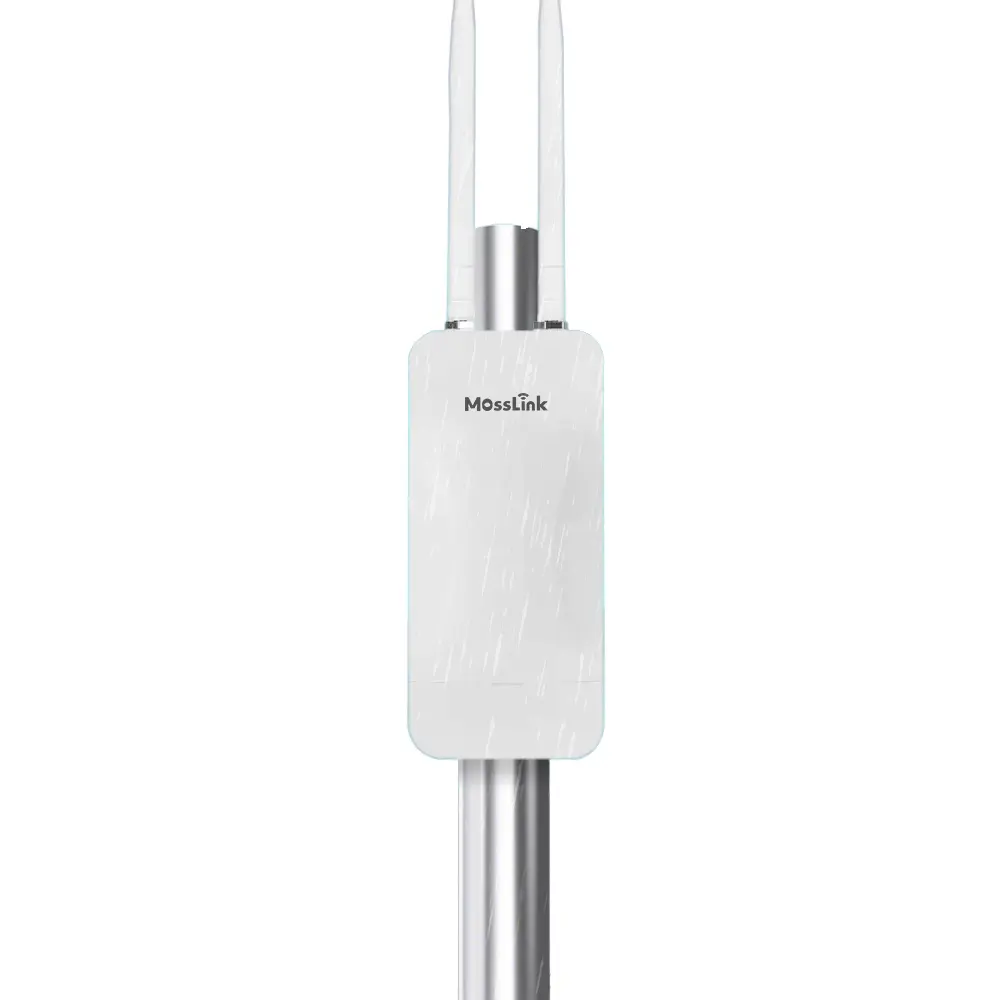
APH4-BE3600
Wi-Fi 7 (802.11be), 2.4GHz + 5GHz · 3600Mbps (688 + 2882 Mbps)
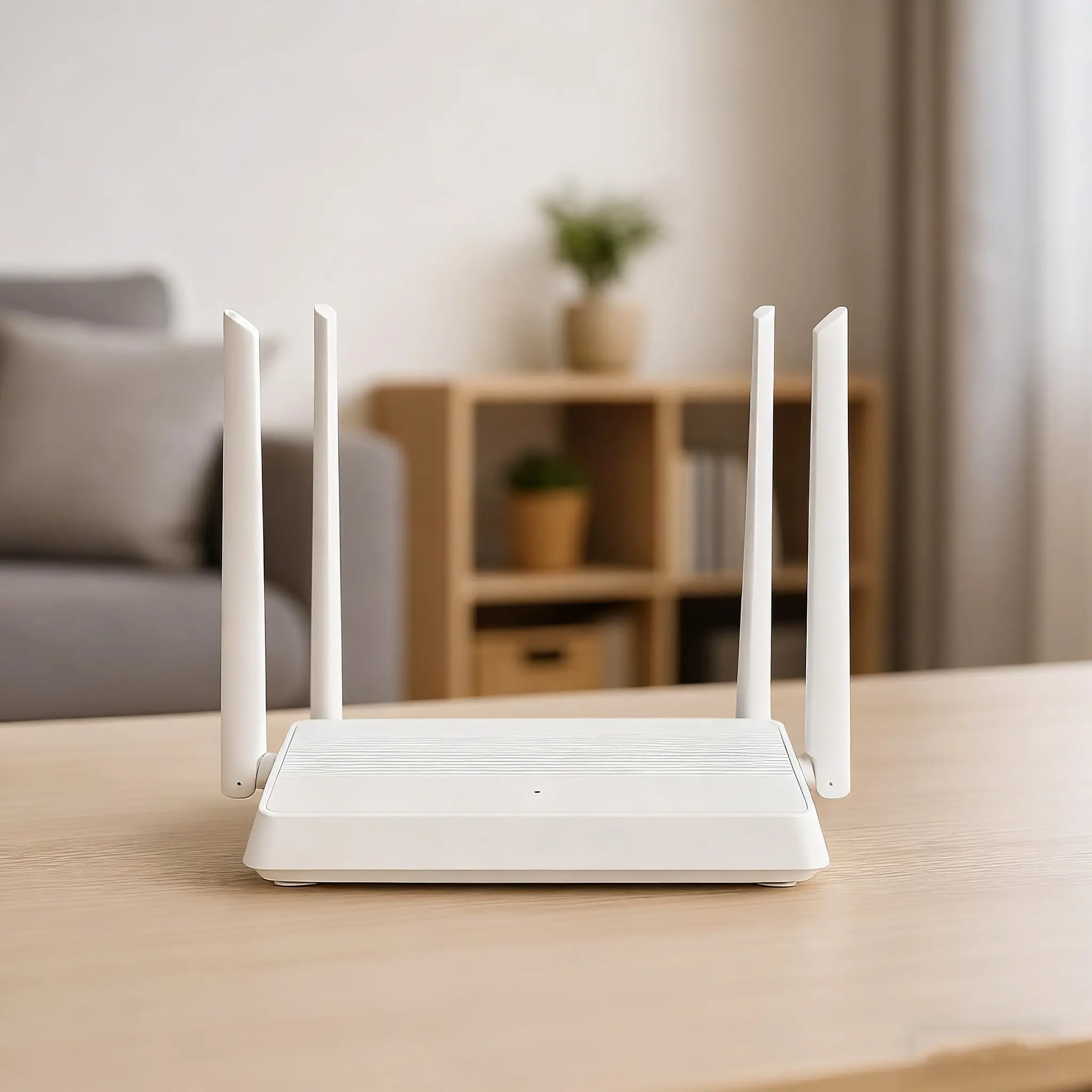
WR3011GP
Wi-Fi 6 (802.11ax) · AX3000 (574 + 2474 Mbps = 3047Mbps)
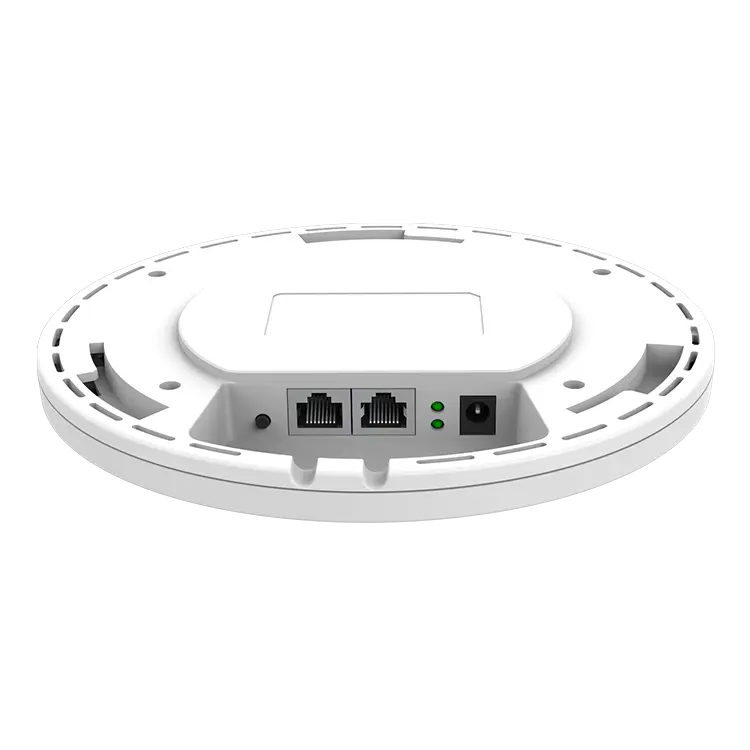
AP240
Wi-Fi 5 (802.11ac/b/g/n) · Dual-Band (2.4GHz + 5GHz) · AC1200 (300 + 900 Mbps) · 802.3af (48V 0.5A)
In-depth guides and case studies relevant to this deployment.
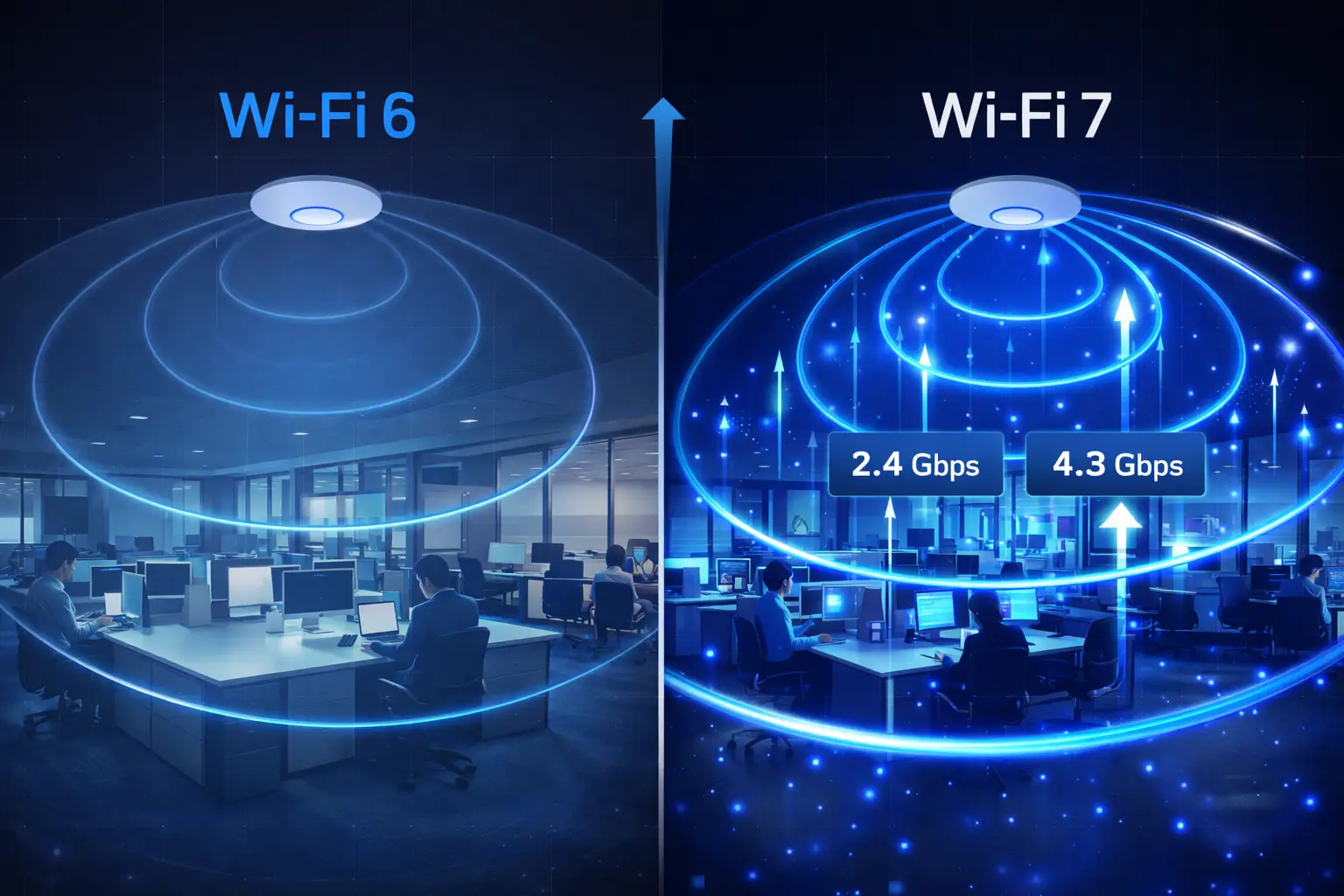
Sourcing Wi-Fi 7 APs? Many suppliers quote from renders. Six checks to verify real production — chipset platform, MOQ from 100 units, white-label limits.
Read Article →
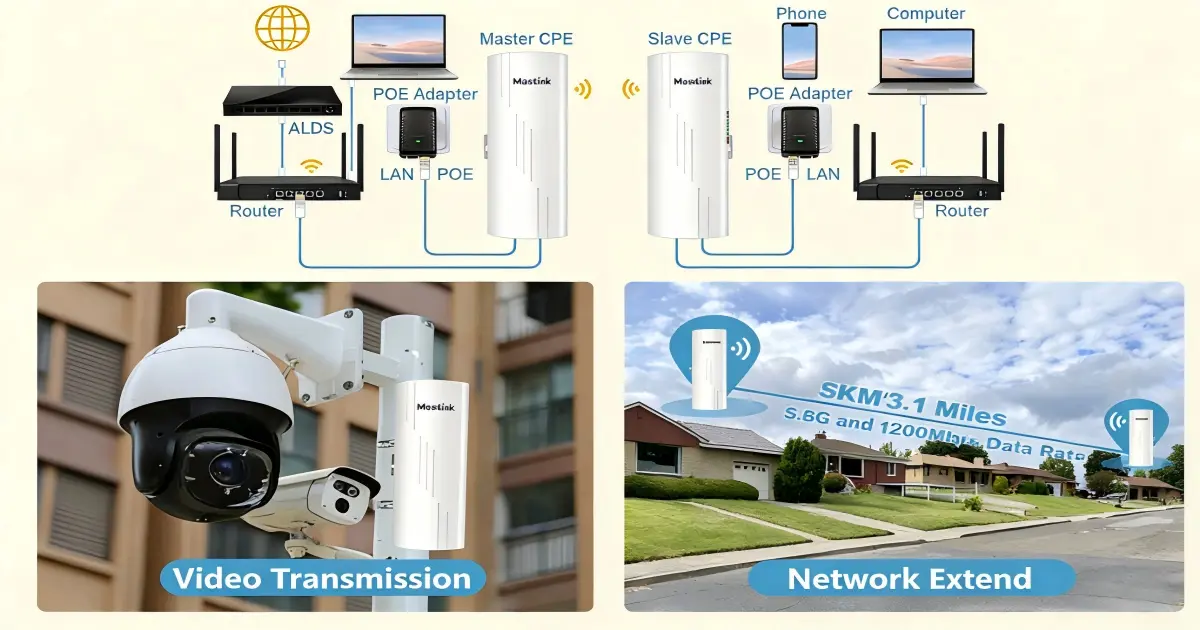
One PoE switch powers your bridge, cameras, and APs — or nothing boots. Match passive 24V vs 802.3af/at, size the watts, and spec a kit that works.
Read Article →

Forty units, forty consumer routers, constant interference. How property owners cover a whole apartment building from one managed WiFi network.
Read Article →
Practical answers for planning a deployment like this one.
Let our team design a customized hospitality networking solution for your project. Get expert guidance and factory-direct pricing.