NEW 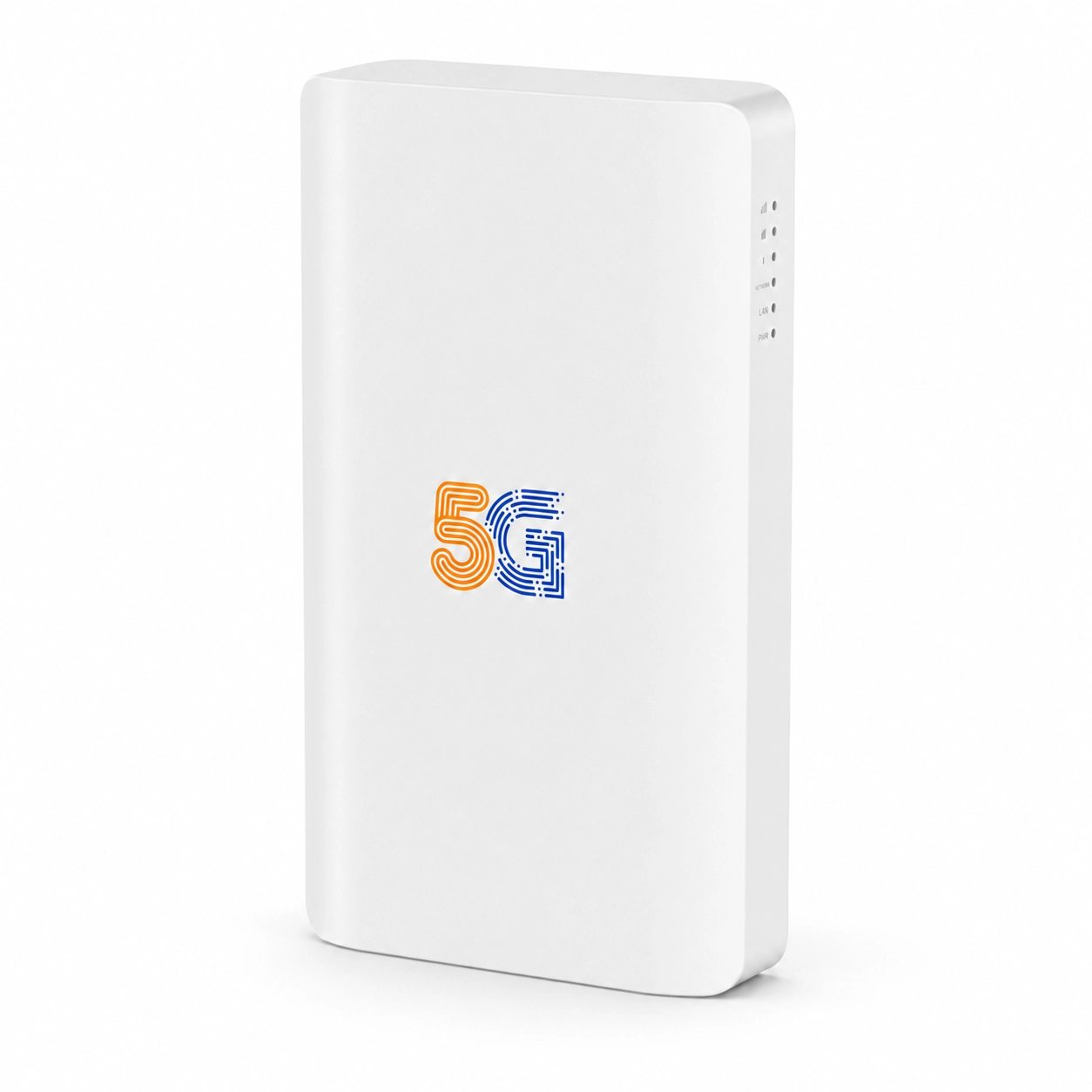
Point-to-multipoint wireless backhaul and CPE distribution for ISPs covering rural and last-mile areas without fiber infrastructure
Site-specific topology · Bill of materials · OEM/ODM options
Reference Topology
ISPs operating in rural Africa, Southeast Asia, and Latin America share a fundamental challenge: the economics of fiber simply do not work for the final kilometer. Trenching cable across mountainous terrain, wetlands, or dispersed villages costs far more than the subscriber density can support. Meanwhile, community expectations for internet access are rising rapidly, and government broadband programs are creating both funding opportunities and competitive pressure to deploy quickly.
Traditional wireless ISP solutions often require expensive proprietary hardware, complex management platforms, and skilled technicians for every installation. This makes scaling a rural network prohibitively slow and costly. ISPs need equipment that is rugged, straightforward to deploy, and priced for the margins of developing-market connectivity.
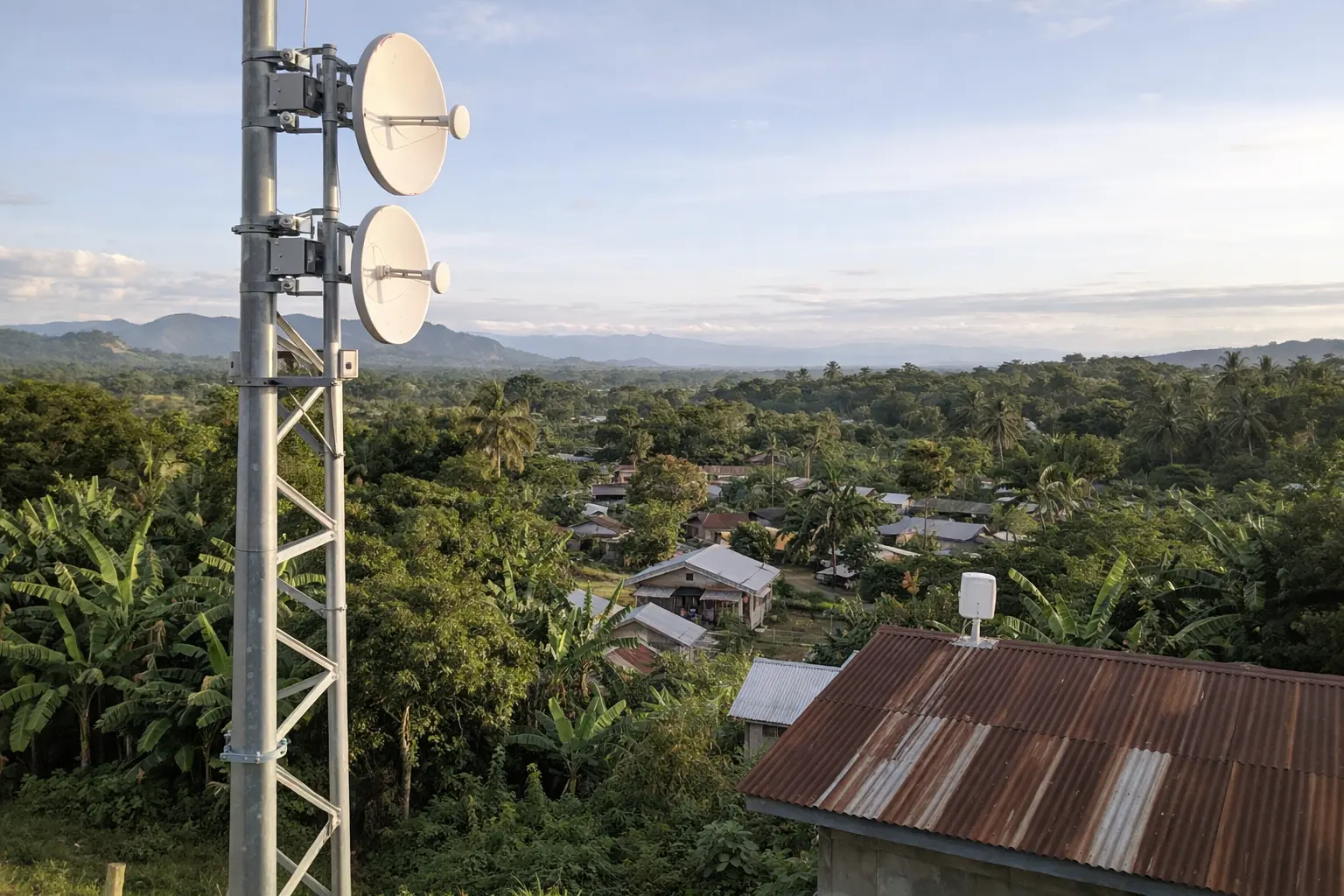
MossLink’s ISP solution is built around a three-layer architecture that matches real-world rural deployments:
Where a temporary venue has usable carrier capacity but no fixed line, an outdoor 5G CPE can also provide local Ethernet backhaul for a nearby AP cluster. The temporary event Wi-Fi design with distributed 5G backhaul shows how that pattern was planned for a large spectator zone.
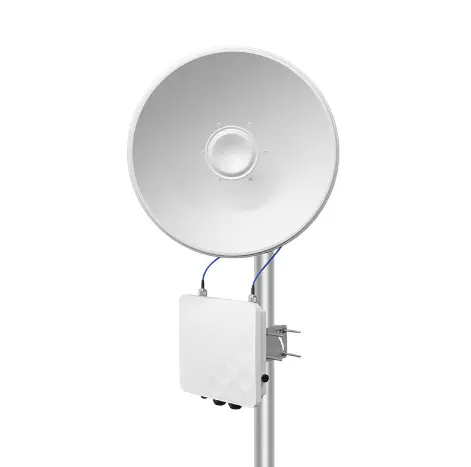
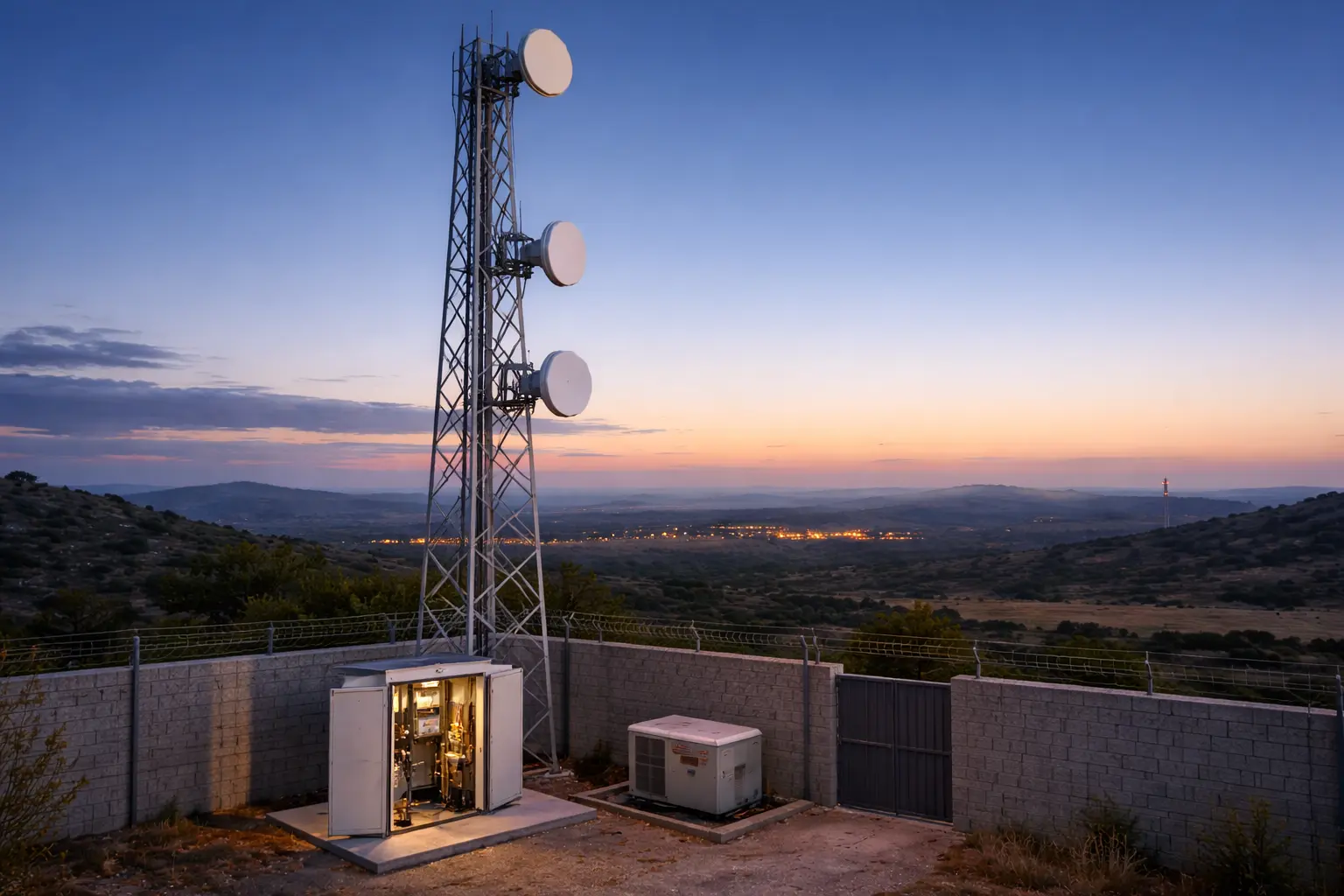
Backhaul Backbone: The WB5axH6-35 wireless bridge anchors each distribution tower. Its built-in 33 dBi parabolic dish and Wi-Fi 6 radio form point-to-point backbone links of 20 km and beyond — 2402 Mbps PHY, 900+ Mbps of real throughput — carrying traffic back to the fiber PoP without laying a single meter of cable. It is also the model with a gigabit SFP port, so the tower end drops straight into a fiber switch. IP67 housing and a −40 °C to +70 °C range keep it running through monsoons, Saharan dust, and equatorial heat. For longer or lower-budget hops, the WB5acH6-29 reaches up to 30 km at 867 Mbps on 802.11ac.
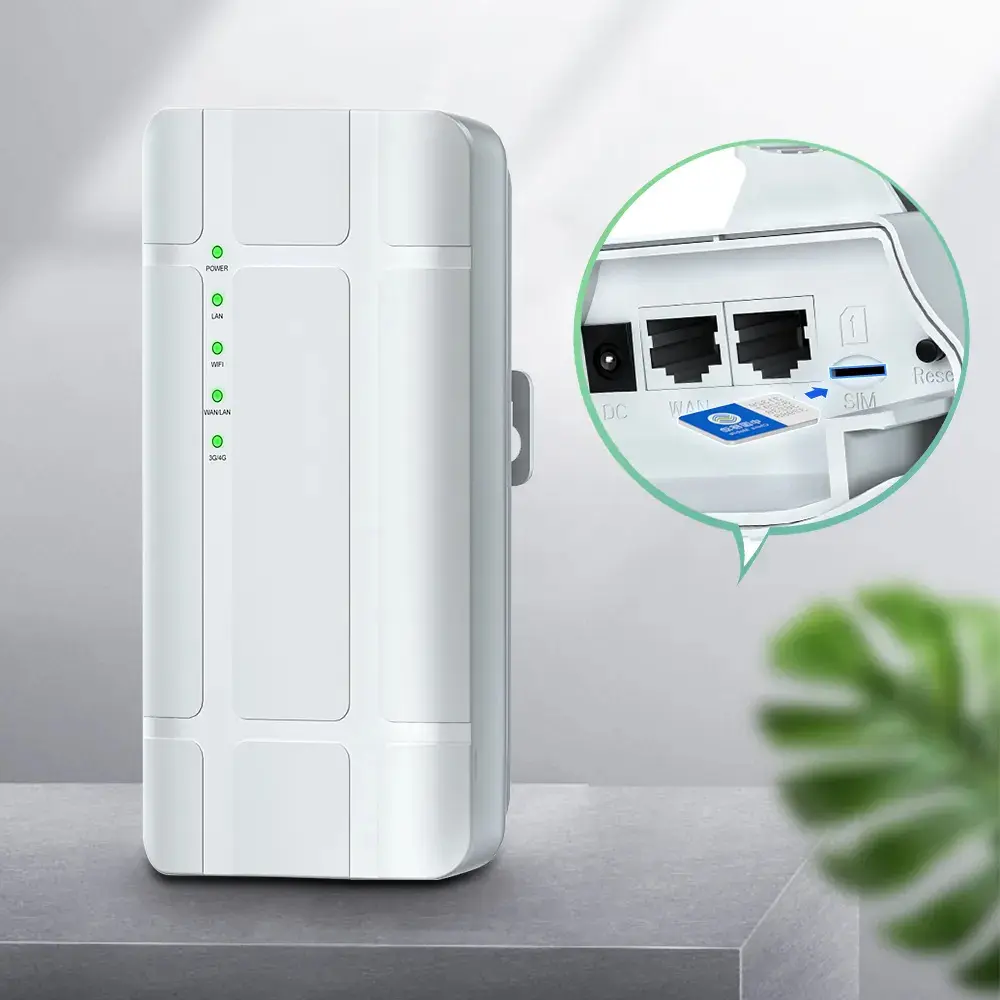
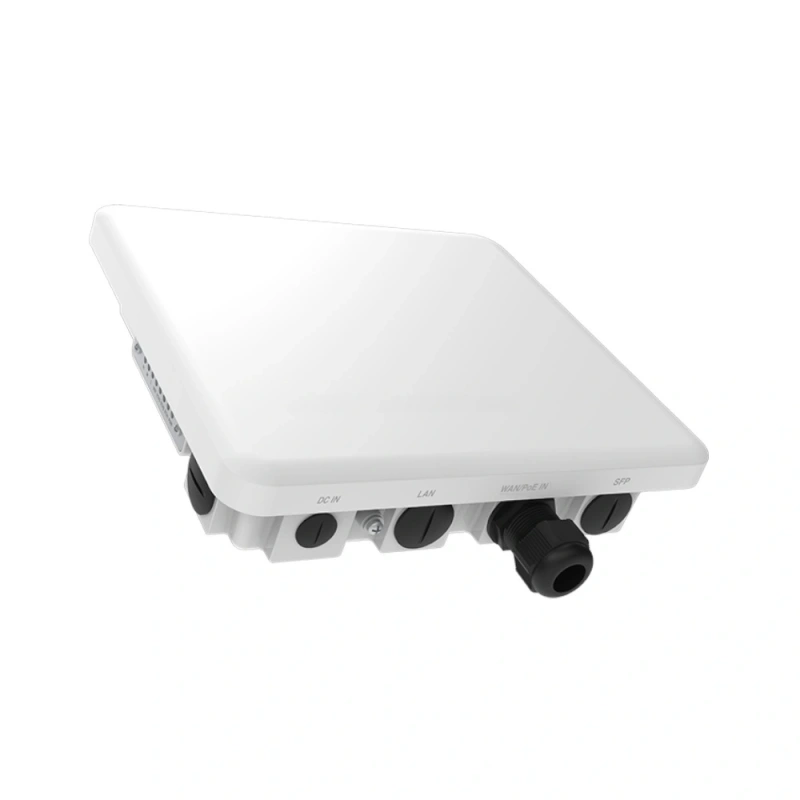
Last-Mile CPE: Subscriber premises receive a YA795 outdoor AP or, where there is no wireless uplink to catch, a YC801 4G router with a SIM. Both mount on a rooftop pole and provide wired and wireless connectivity inside the home. The YC801’s LED status indicators let a local agent judge link health on the pole without opening a laptop, which is what makes agent-installed service practical.
Hotspot & Revenue Layer: In high-density areas — town centers, markets, bus terminals — the WR3011GP hotspot router enables pay-as-you-go Wi-Fi access through a captive portal with voucher authentication. ISPs generate immediate revenue from casual users while building brand awareness in new service areas.
Core Integration: The WR3005K industrial-grade router aggregates a distribution point back toward the core. It runs Wi-Fi 6 AX3000 with 1× GbE WAN and 3× GbE LAN, hardware NAT at 2 Gbps, 128 concurrent clients, and 6 kV common-mode surge protection — the specification that matters most where grid quality is poor and lightning is seasonal.
A typical rural ISP node covers a 10 km radius with this structure:
This architecture scales linearly: adding subscribers requires only additional CPE units. Expanding coverage means adding a new tower with another WB5axH6-35. No central license servers or proprietary controllers are required.
ISPs deploying MossLink equipment report last-mile coverage reaching 20+ km from a single tower, with subscriber installation times under 15 minutes per site. The elimination of fiber trenching reduces per-subscriber deployment cost by approximately 70%. Hotspot revenue from public Wi-Fi nodes often covers operational costs within the first quarter of service.
MossLink supplies ISP hardware factory-direct from Shenzhen, with OEM firmware customization for private-label branding, custom packaging, and regional certification support. Minimum order quantities are flexible for growing ISPs. Contact our sales team for volume pricing and OEM program details.
Not every subscriber needs an outdoor unit. Where the uplink is a wireless access network rather than a fiber ONT or DSL modem, many operators put a single router inside each home running in client or WISP mode — it associates with the access network upstream and serves the household downstream.
Three capabilities separate a router that survives this job from a retail unit that does not:
Where the uplink is cellular rather than wireless, the OG530 5G outdoor CPE covers 5G NR SA/NSA plus LTE with a 2.5 GbE PoE port and TR-069 / TR-369 management — the outdoor half of the same subscriber design.
ISPs buying under their own brand run a sequence, not a single order. Skipping a step is what turns a rollout into a recall:
Our white-label router program covers the branding and firmware side in detail.
Tower or head-end location, target coverage radius, subscriber count and growth plan, the country and its band rules, whether you need TR-069 against your own ACS, and your first-batch quantity. We come back with a layer-by-layer equipment list and a clear split between what ships today and what needs development first.

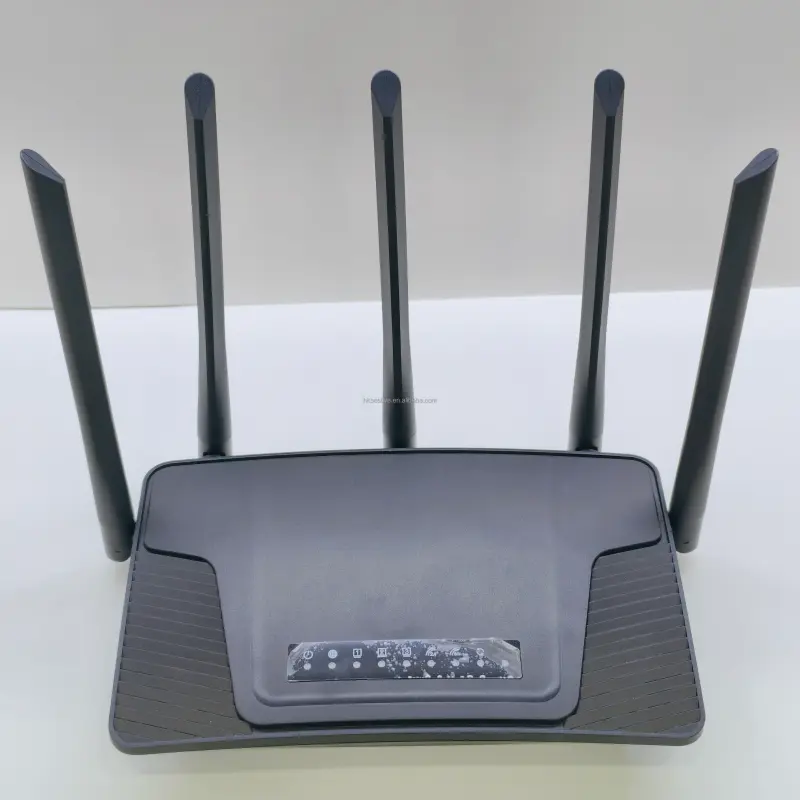
WR3005K
Wi-Fi 6 (802.11ax) · AX3000 (574 + 2402 Mbps)
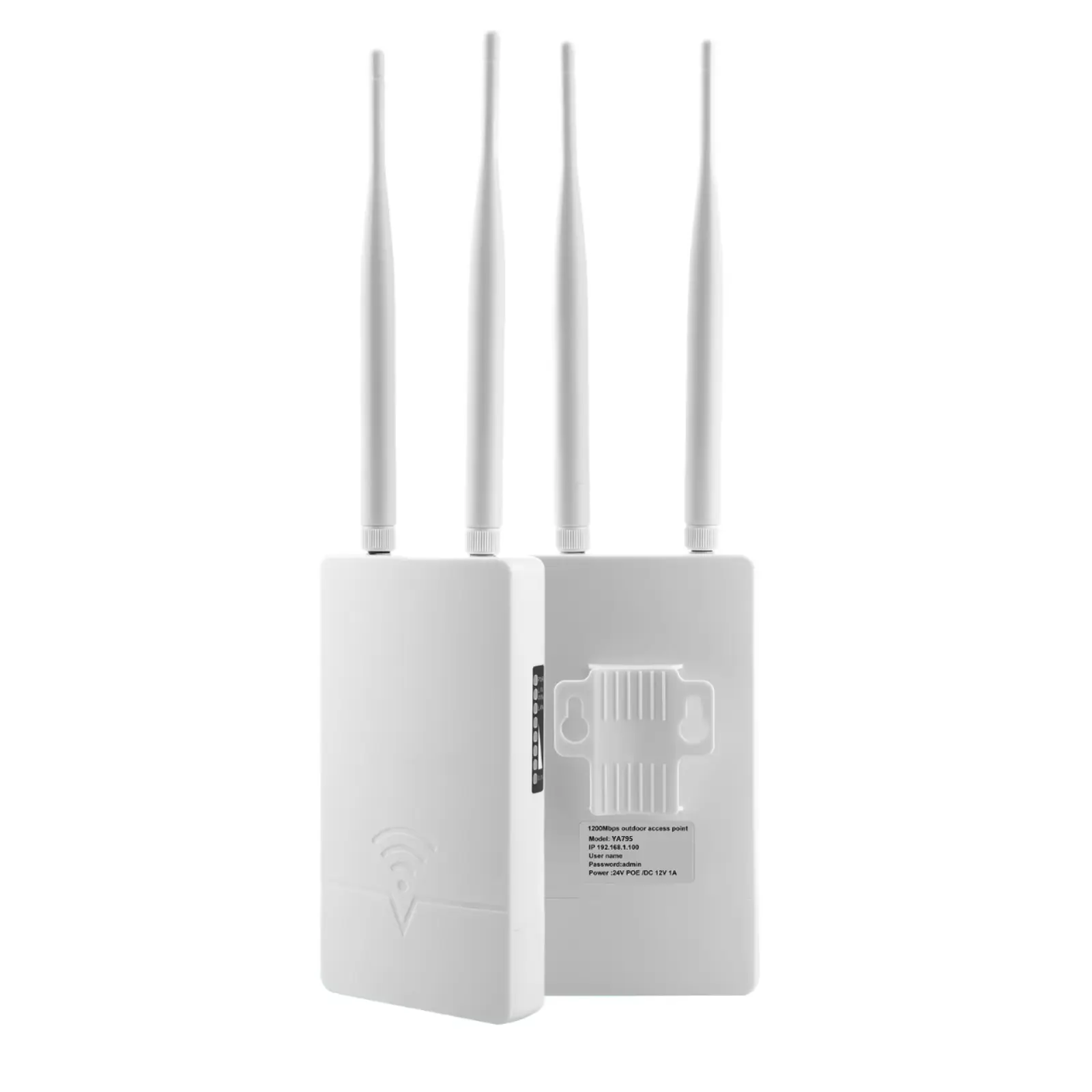
YA795
Wi-Fi 5 (802.11ac) · Dual-Band (2.4GHz + 5GHz) · AC1200 (300 + 900 Mbps) · IEEE 802.3af 24V PoE (included)
In-depth guides and case studies relevant to this deployment.
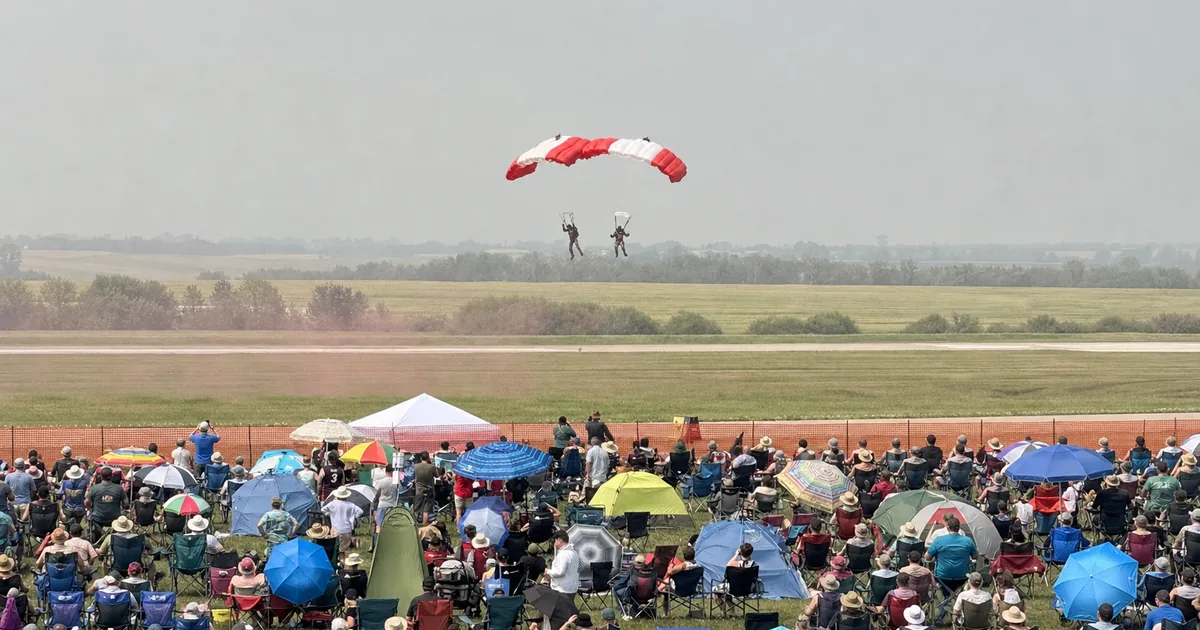
No fiber across a 300,000 m² crowd zone. See how 59 X303 Wi-Fi 6 APs and about 30 OG530 5G CPEs addressed a 15,000-person design load.
Read Article →
A 40km @ 1Gbps datasheet claim quietly assumes two 37m towers and a perfectly clear path. Real distance tiers from 1km to 40km — and what each one costs.
Read Article →
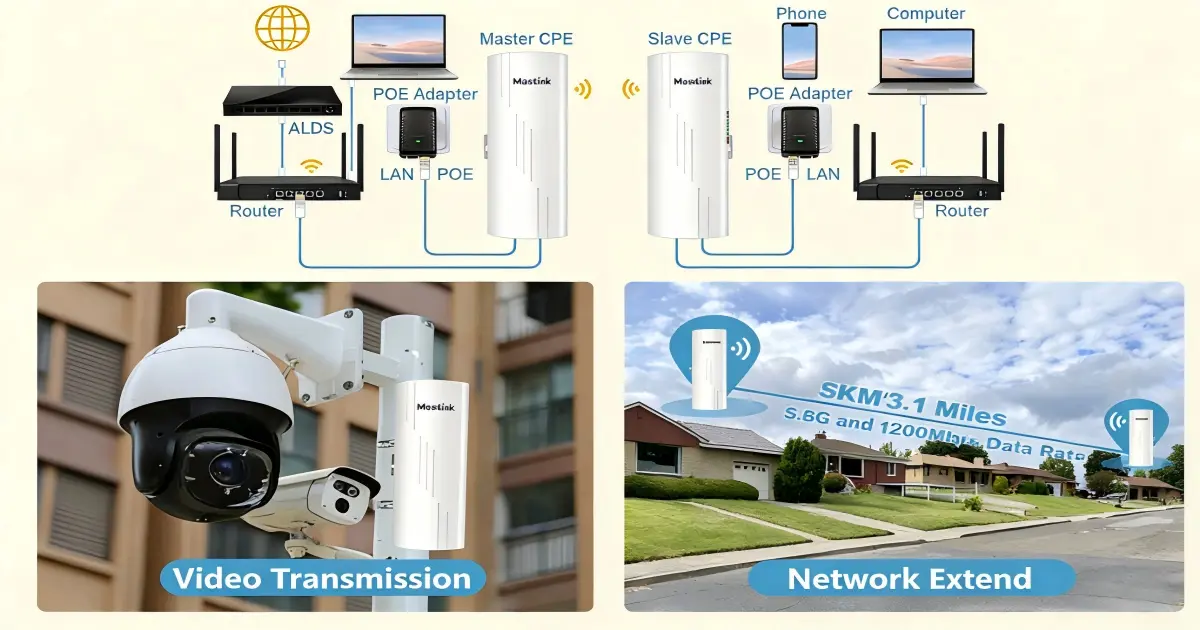
One PoE switch powers your bridge, cameras, and APs — or nothing boots. Match passive 24V vs 802.3af/at, size the watts, and spec a kit that works.
Read Article →
Practical answers for planning a deployment like this one.
Let our team design a customized isp networking solution for your project. Get expert guidance and factory-direct pricing.