How can I manage all my APs remotely from one place?
I needed better WiFi coverage for my Starlink setup in Burkina Faso, but I wasn’t sure which access points would work or how to import them properly.
To import custom access points from China for my Starlink setup, I look for technical compatibility, choose a reliable supplier, check import procedures, and test devices under local conditions before scaling up.
Let me walk you through what I’ve learned across multiple deployments so you can avoid costly mistakes.
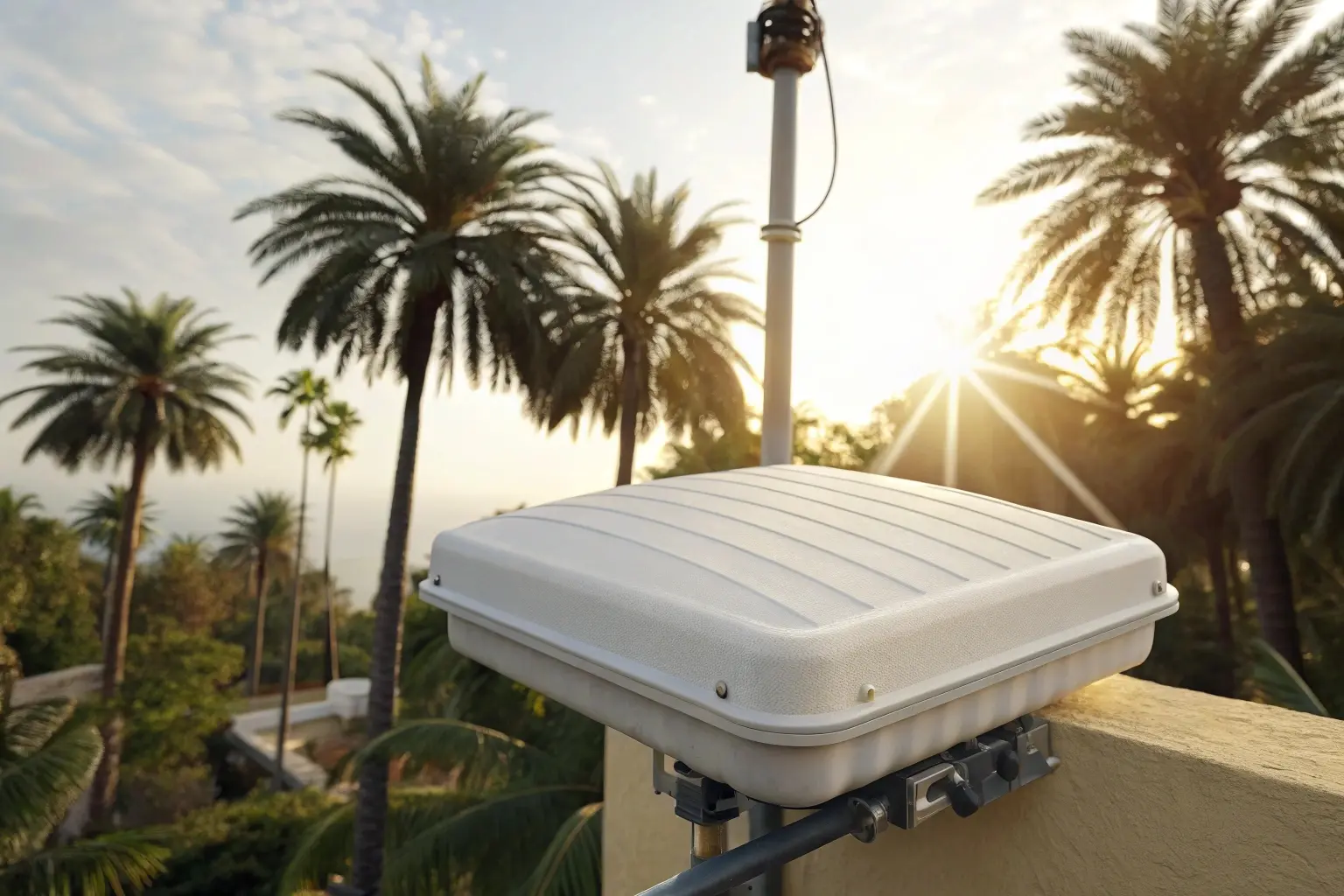
What should I check in antenna gain, PoE input, and WiFi standard before importing APs from China?
I used to focus only on speed and brand—but in real deployments, signal stability and power compatibility matter more.
I now check for dual-band WiFi 6, external antennas with at least 8dBi gain, 24V or 48V PoE support, and IP65 or better protection.
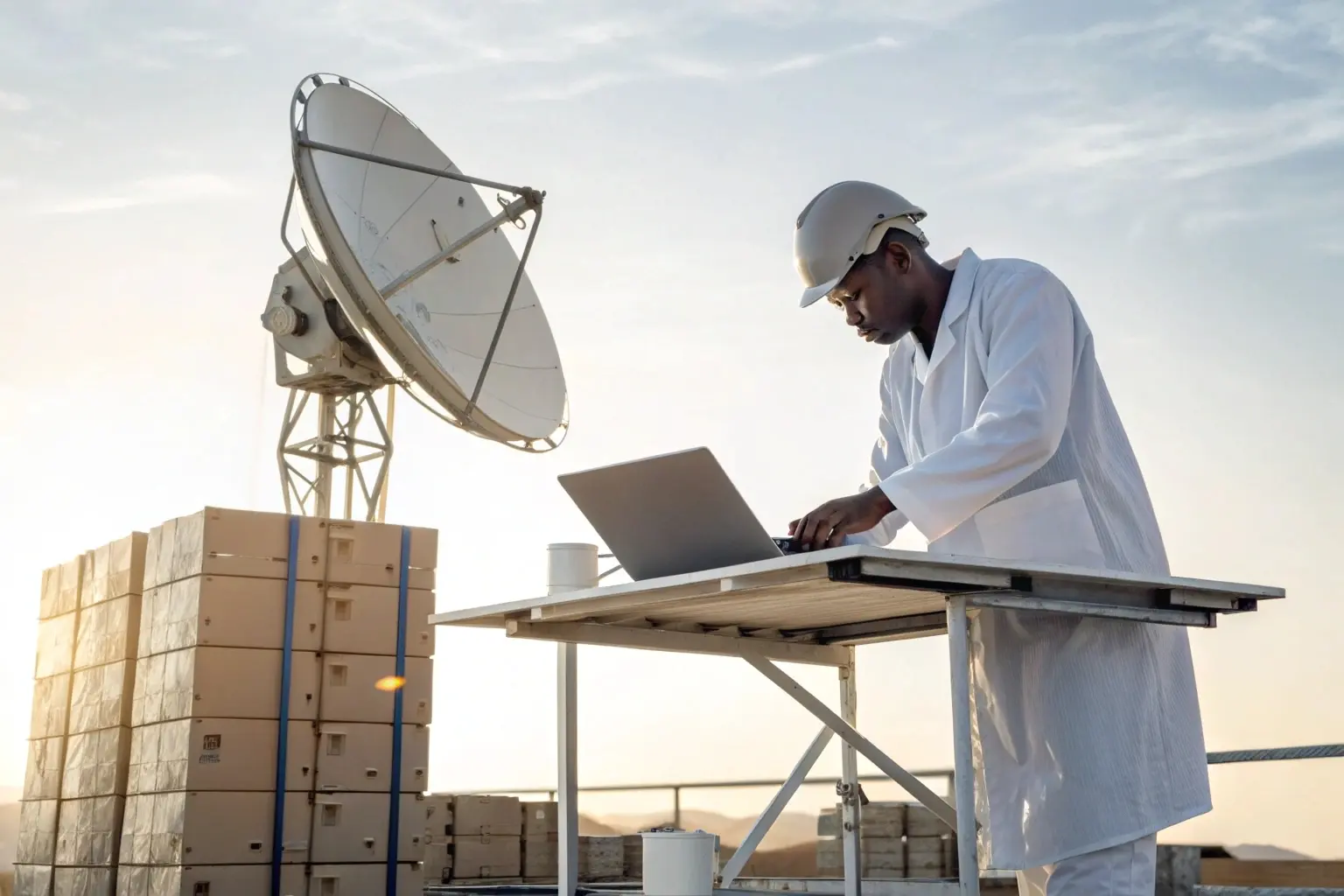
Choosing an AP without checking key specs often results in short range, overheating, or reboots. I once imported units that didn’t support 48V PoE—cost me weeks of rewiring. Now I ask for:
Spec checklist before importing:
- WiFi Standard: wireless system overview1 in OpenWRT documentation
- Antenna: External fiberglass antennas, 8dBi–12dBi, preferably detachable
- PoE Input: 24V or 48V passive PoE depending on your power budget
- Shell Rating: IP65+ weather protection for outdoor heat, dust, rain
- Firmware Features: Mesh, VLAN, remote upgrade, watchdog, bridge/AP modes
| Item | Recommended Spec |
|---|---|
| Antenna Gain | 8–12dBi fiberglass omni or directional |
| PoE Voltage | 24V / 48V Passive |
| Ingress Rating | IP65 or higher |
Do I need different access points for rooftop, village hotspot, and indoor WiFi zones when using Starlink?
Initially, I used the same AP model everywhere, but coverage was poor in hotspots and overkill indoors.
I now use long-range outdoor APs on rooftops, medium-range for village hotspots, and low-cost indoor APs for rooms or cafés.
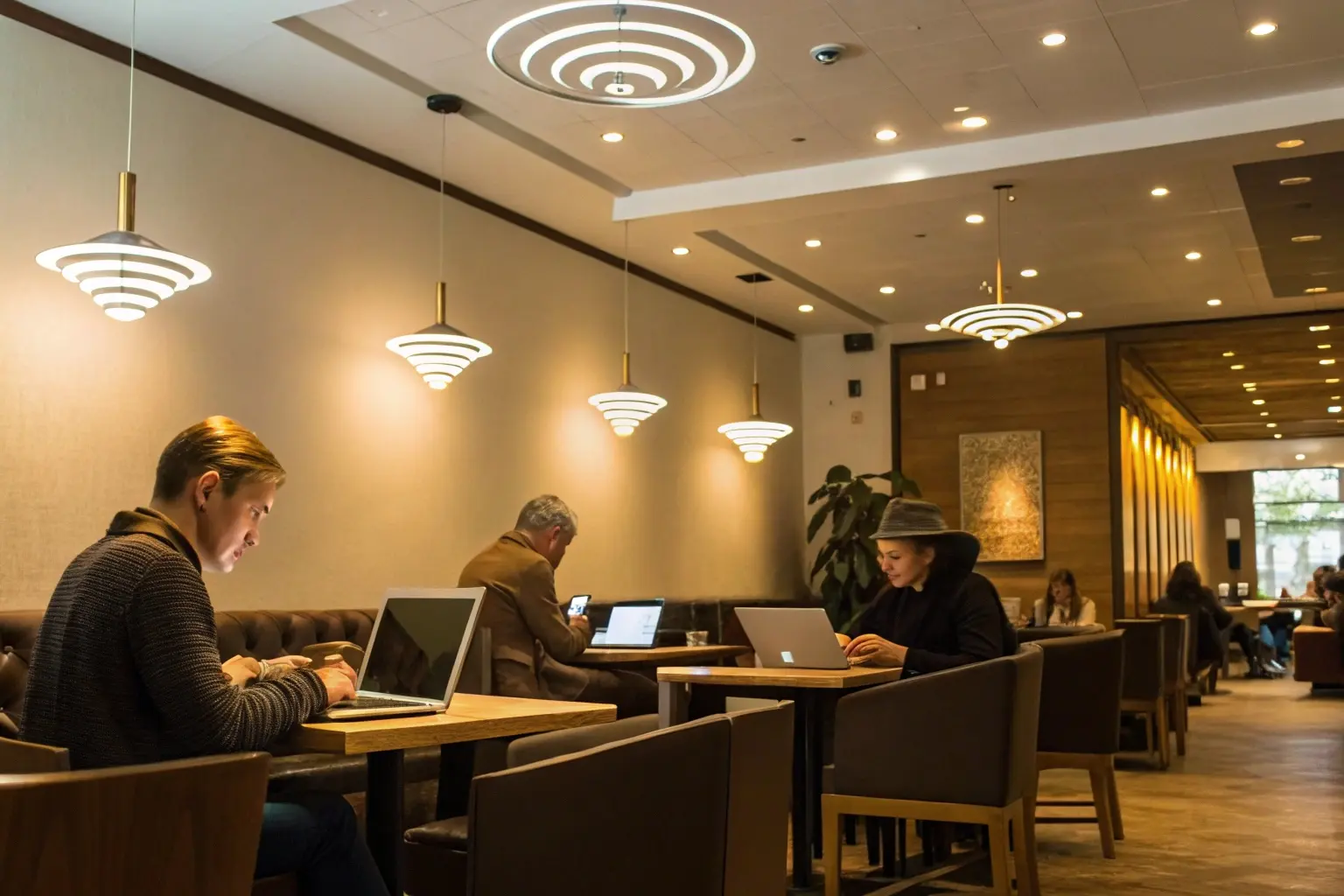
Each environment has unique needs. A rooftop AP must resist heat and deliver long-range, while village centers need broad 360° coverage. For indoor setups, I go for cheaper, low-power units that work off 12V DC or USB power.
Deployment types I separate:
- Rooftop uplinks: high-gain 5GHz APs with IP67 shell
- Hotspot zones: mid-range APs with MIMO and mesh
- Indoor rooms: wall or ceiling-mounted APs, small power footprint
| Zone | Recommended AP Type |
|---|---|
| Rooftop | Outdoor AP with long-range antenna, IP67 |
| Village hotspot | Dual-band AP with mesh and PoE |
| Indoor | Wall/ceiling AP with compact design |
How do I avoid overheating, unstable signal, or low coverage in hot outdoor deployments?
Some of my first deployments failed due to heat and solar exposure. APs would reboot or drop connections in the middle of the day.
I now only use APs with wide-temperature chipsets, passive cooling, and fiberglass enclosures. I also mount them in shaded or ventilated spots.
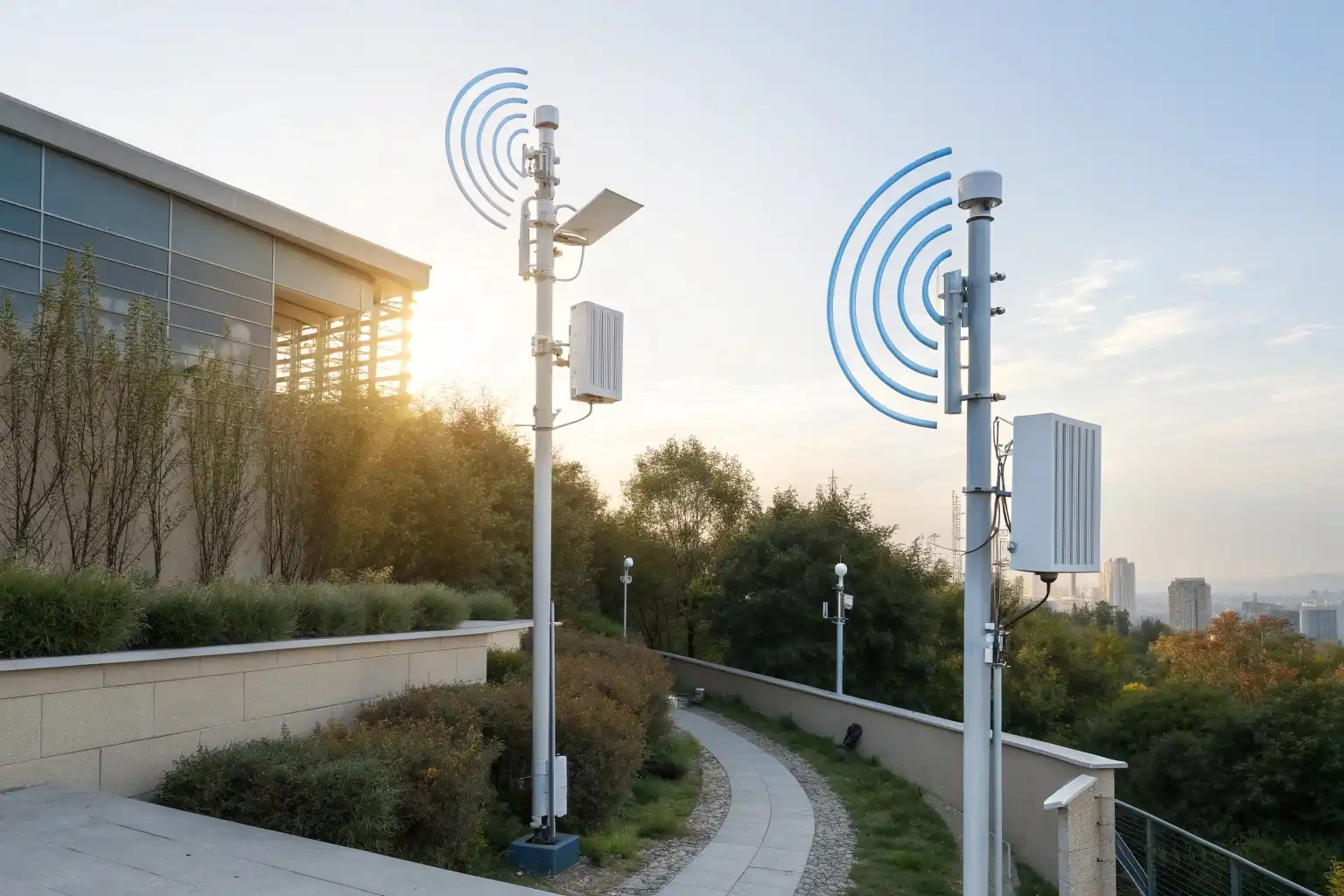
I once lost 6 units due to thermal shutdown during peak heat in July. Now I take these steps:
Best practices to prevent heat-related failure:
- Use fiberglass or metal casing—plastic warps over time
- Install under eaves, shade, or protective hoods
- Pick APs with high-temp ratings (up to 65°C)
- Use APs with external antennas to separate heat sources
One model that held up well in Burkina Faso is Mosslink APM6-AX3000. It’s equipped with 12dBi fiberglass antennas and handled both heat and voltage spikes better than other brands.
Is it better if I bulk order APs from a Chinese factory to get better price and faster shipping to West Africa?
I used to ship small quantities by air, but costs piled up and I faced repeated customs clearance delays.
Now I place bulk orders—at least 50–100 units per model—so I can negotiate better terms, reduce freight cost per unit, and handle customs more efficiently.

With consolidated shipments, I only prepare one set of import documents, one ECTN, and get better container loading. More importantly, I can get customized packaging, add logos, and still stay under $30 per unit for budget APs like Mosslink YA796.
Benefits of bulk importing:
- Lower unit price at MOQ of 50–100 units
- Reduced per-unit freight (air or sea)
- Simplified customs process (single declaration)
- Eligible for DDP or EXW/FOB terms with factory
| Order Size | Benefit |
|---|---|
| < 20 pcs | High cost/unit, individual shipping |
| 50–100 pcs | Factory customization, better rates |
| 200+ pcs | Sea freight eligible, big cost savings |
Conclusion
Importing access points from China for Starlink in West Africa is easy—if you match specs, source smart, and test before rollout.
Footnotes
1. OpenWRT’s wireless overview and architecture documentation. ↩︎
2. Official FCC equipment authorization procedures and requirements. ↩︎
3. Details on 47 CFR Part 2 Subpart J equipment authorization. ↩︎
4. ComplianceTesting guide to FCC process for wireless devices. ↩︎
5. FCC rules on marketing and importation of radio frequency devices. ↩︎
6. Overview of FCC certification and Supplier’s Declaration of Conformity. ↩︎
7. Law resource for 47 CFR §2 equipment authorization rules. ↩︎
8. FCC prohibition on “covered” equipment and new restrictions. ↩︎
9. Secure Equipment Act and U.S. telecom supply chain law. ↩︎
10. Wikipedia overview of OpenWRT project (for context). ↩︎
Share